Back in the day, if you were a farmer bringing your goods into the city to sell , your horse and wagon would often sink deep into muddy rutted roads. This was especially true during the spring snow melt and torrential summer rains.
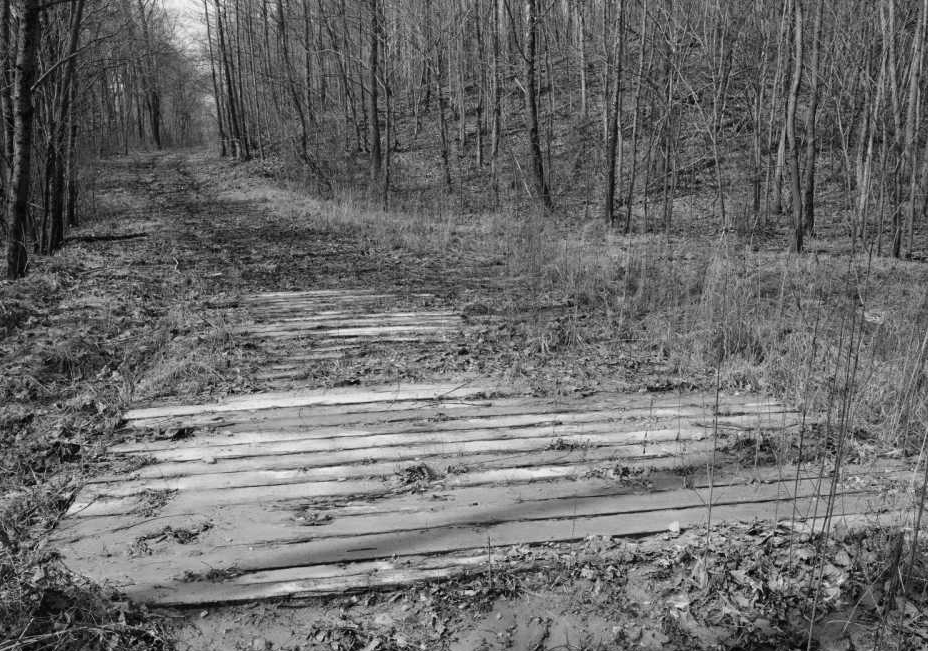
The solution were Plank roads radiating out of the city often called “the farmers railroad”. They were a very important part of Chicago’s transportation for a few years, with 50 miles were built between 1848-1855 at a cost of approximately $150,000. Although they were a huge improvement over mud and ruts, Plank roads were so rough that they were often called “corduroy roads”.
Plank roads were cheap to build, usually heavy planks a few inches thick and eight feet long attached crosswise to wooden stringers set into the roadbed.. Pine and hemlock were sometimes used for planking, but oak and black walnut, although more expensive, were more durable and long-lasting.
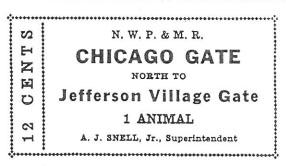
Plank Road companies recouped their investments by collecting tolls at toll gates at regular intervals infuriating farmers who needed to bring their products to market without added costs. As one example, Amos J Snell made a ton of money charging farmers on the Elston and Northwest (Milwaukee Avenue) plank roads. More about him later. Some farmers were really good at finding ways to bypass the toll roads, hence streets named Dodge. Other farmers simply burned down the toll house.
In larger metropolitan areas including Chicago, funeral trains and funeral streetcars were common in transporting a funeral party and the deceased to the cemetery. In the days of Unpaved roads and horse-drawn hearses, the trolley funeral car Or funeral train offered a more dignified ride to one’s final resting place. especially before the advent of motorized hearse
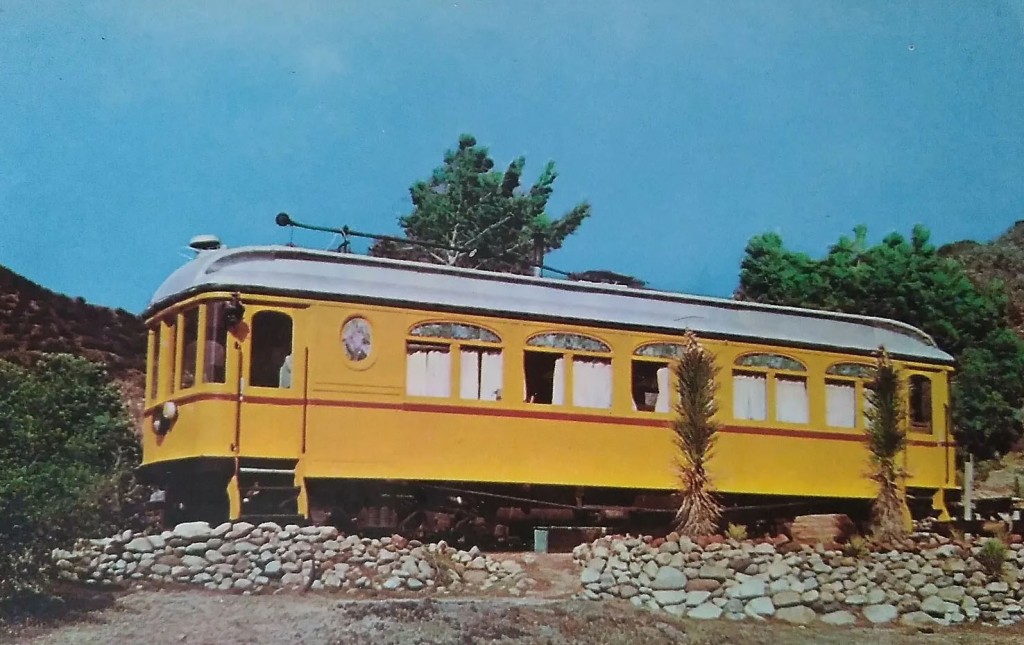
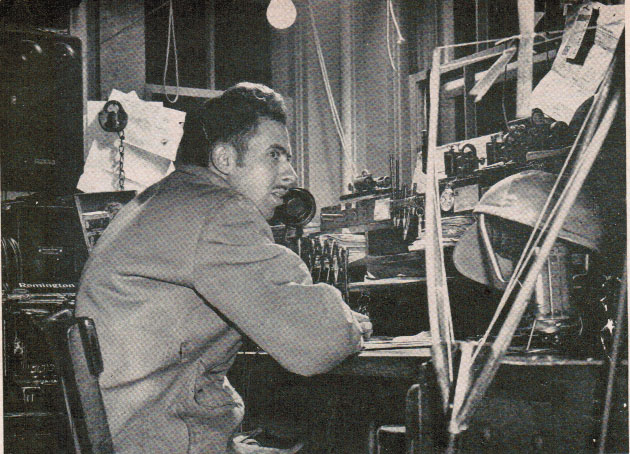
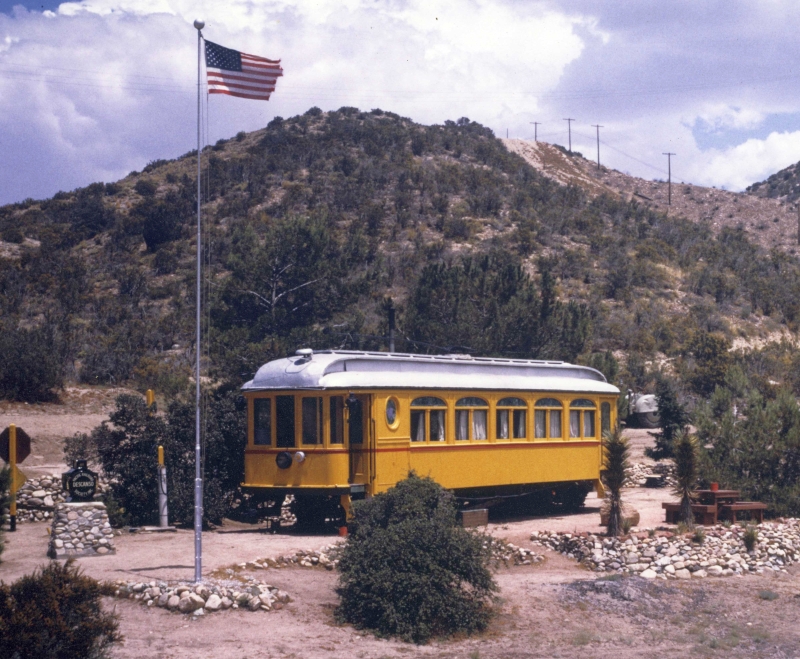
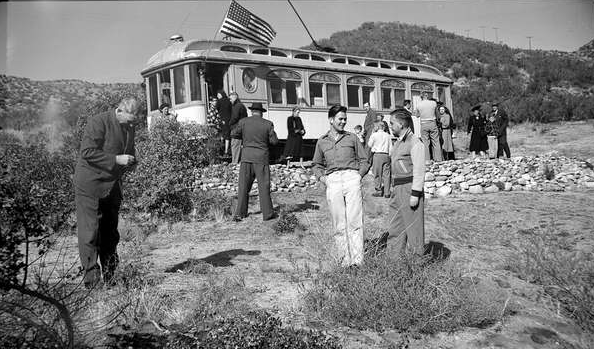
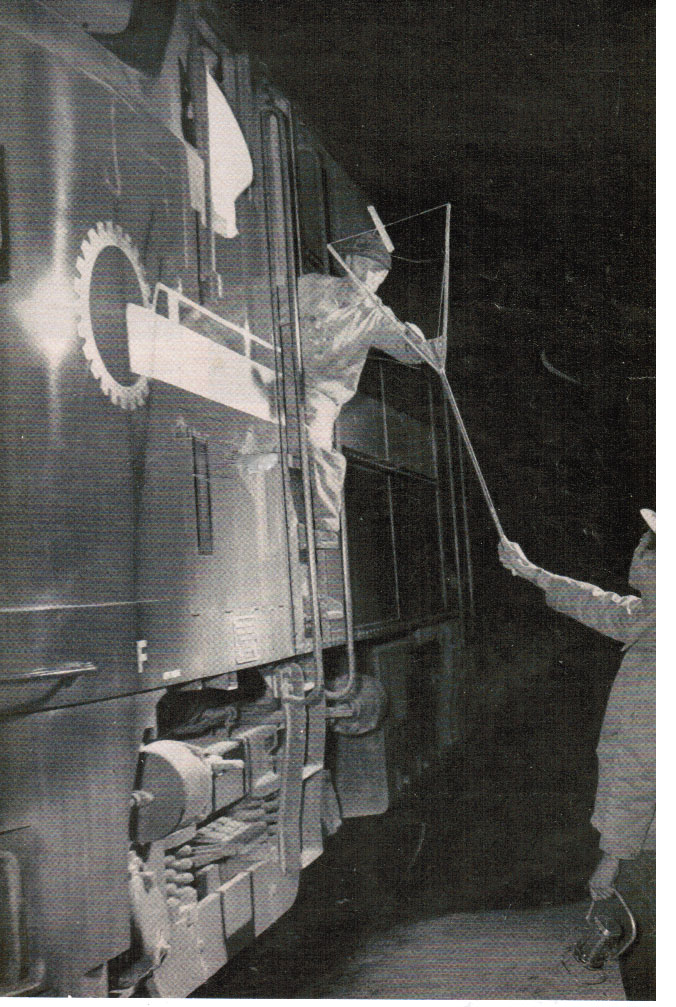
Meet Chard Walker born in Massachusetts on June 8, 1922. A career railroad employee for about 36 years.Near that depot where he worked at Summit California, Walker actually lived in an old 1909 funeral streetcar, known as the Descanso.
He lived in it for eight years until he married in 1955. The old funeral streetcar was without lighting and with heat generated only by a wood stove.
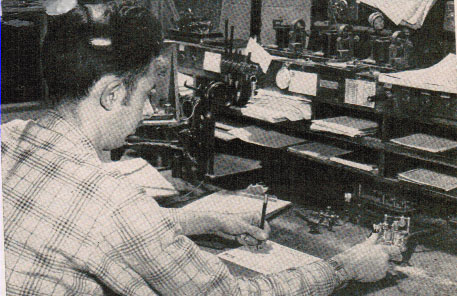
For most of his years Chard was a railroad telegrapher and an avid rail fan. And for 16 years his office was at the depot at Summit California where the Santa Fe and the Union Pacific trains were challenged by the slopes of Cajon pass located between the San Bernardino and San Gabriel mountains, . One of Chard’s most important duties is that of copying the dispatchers frequent train orders.
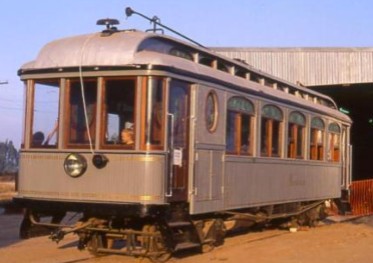
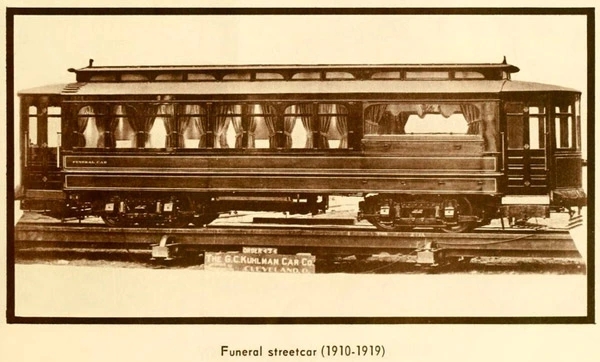
The Descanto was built in Los Angeles Railway’s 7th and Central shops by Master car builder E.L. Stephens and was placed in service on February 20, 1909, painted light grey. The car was originally named the funeral car Paraiso, Spanish for paradise, but was later renamed Descanso Spanish for rest.
.For $25, the Descanso could be chartered to transport the funeral party to and from one of the several online cemeteries in Los Angeles. Los Angeles Railway provided this service to Inglewood Park, Rosedale, and Evergreen Cemeteries and to those on Whittier Blvd. in East Los Angeles.
The Los Angeles Railway or Yellow Line, which at its peak comprised of 20 streetcar lines with 1,250 trolleys.
The Descanso is the only remaining funeral streetcar known to exist in the U.S. despite that dedicated funeral cars were once standard equipment added to streetcar systems.
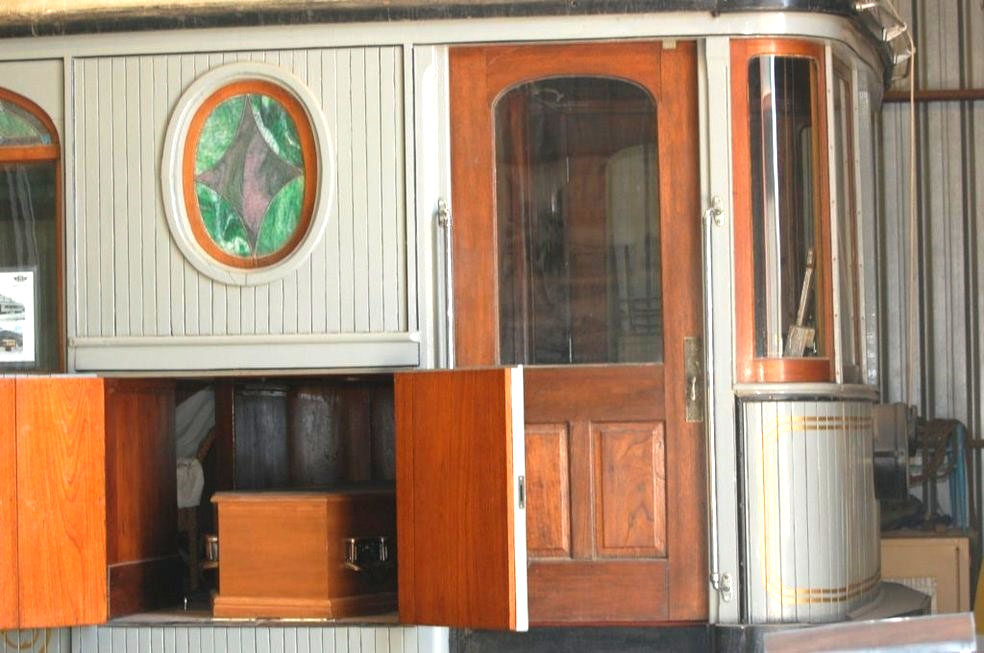
The small doors on the side permitted a casket to be loaded inside. Upon arrival the cemetery, the casket would be wheeled to the gravesite. Funeral car service ended in 1924, a victim of competition from automotive hearses.
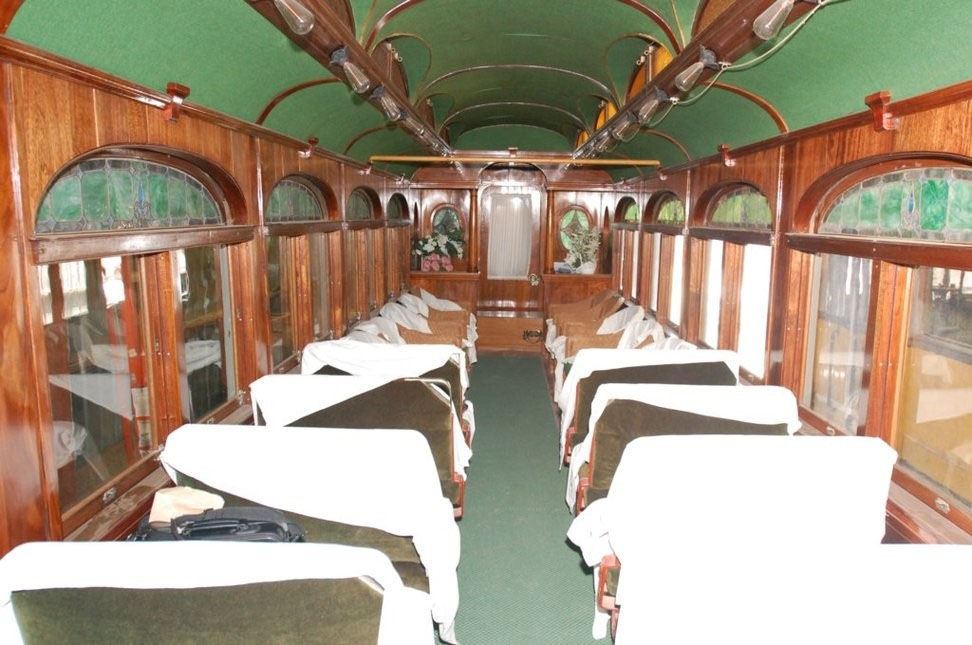
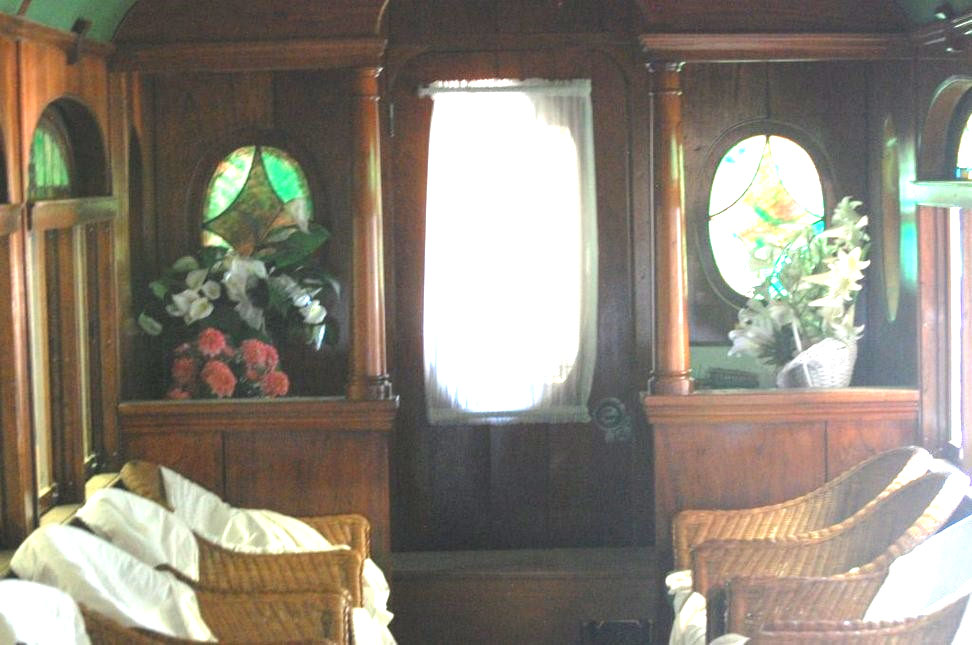
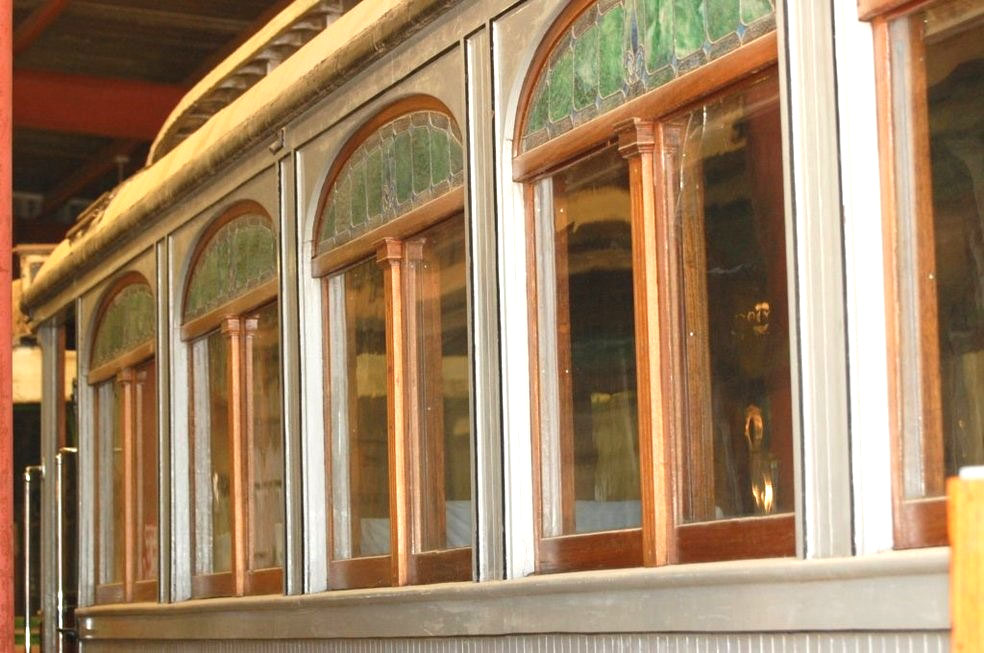
the Descanso was one of two funeral cars, designed with a compartment that opened . The family sat with the coffin in an interior including stained-glass windows. For the funeral party, the interior was outfitted with 20 rattan armchairs and were later replaced by 20 plush seats.
I
n 1940 the Exteriorcolor of the Descanso was Pullman green and was sold to the railroad boosters (the predecessors of the Pacific railroad society). Theymoved it to the summit of Cajon pass.
About 1951, Chard Walker used this funeral streetcar as his only residence. Seems a bit creepy you might think, but for him it made perfect sense. He lived rent-free in a piece of railroad history just a few feet away from where he worked.
Later the Descanso was fitted with bunks and other amenities used as a clubhouse for train watching until 1967, when construction of a new rail line through the pass forced its removal.
It was moved to the Los Angeles Railway Museum museum, (formerly the Orange Empire Railroad Museum), where it was nicely restored in 1990
Chard L. Walker, 85, who worked for 16 years at the Santa Fe train order station at Summit, California, in Cajon Pass, died September 28, 2007 at his home in Hesperia, California.
Walker hired out on the Santa Fe June 20, 1947. He qualified as a train-order operator with a seniority date of September 5, 1947. He was a full-time relief operator at Summit from 1951 until the position was terminated February 12, 1967. At its peak, Summit consisted of a post office, a few railway maintenance buildings, and company homes, one of which Walker occupied with his wife Margaret and his two daughters, Judy and Joy.
After leaving Summit, he moved to a night job in the San Bernardino dispatcher’s office and a tower job at the Barstow classification yard. Walker retired June 9, 1983. After retiring in 1983, he wrote two books about Cajon Pass.
Here are a couple other of my stories that you might find interesting:
Back in the day cemeteries were a popular destination especially on Sundays and holidays. People, visited , fixed the graves and often made a day of it. It was a family affair. However some cemeteries in the Chicago area are quite large and getting to a cemetery lot was often difficult, especially if you were elderly or infirm.
Some cemeteries provided a cemetery motor bus service from the main gate to the burial lot. Other cemeteries offered a bus service connecting a streetcar or train stop with the entrance gate of the cemetery. And still others provided both.
Back in the day before air-conditioning, Chicagoans needed a place to go during the hot summer months. Henry had an idea for “Kolze’s Electric Park”.
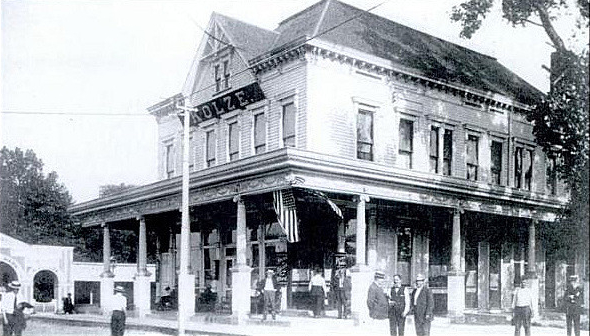
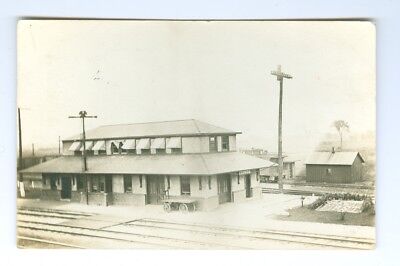
Henry James Kolze was born June 23 1859 in Leyden Township, and married Katherine Guthier. Starting out in 1884 they built a house and restaurant at 9300 W. Irving Park and called it the Colonial Inn along with a rather small picnic ground. He was so well known in the area that the nearby Soo Line railroad station was named Kolze Station until it was finally renamed in 1924.
By 1901 he had bought land at 6353 Irving Park located just east of 64th Street (now Narragansett Avenue). There he built a new hotel, clapboard tavern, restaurant and several other buildings. The large amount of wooded area behind those buildings became his new Kolze’s Electric Park (also sometimes called Kolze’s Grove).
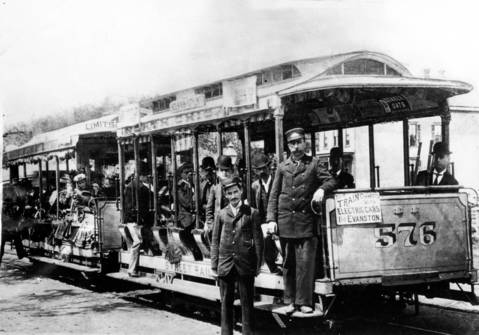
The street car line had recently been extended on Irving Park in 1896 and Henry’s park was conveniently on the end of the line. Electric parks and amusement parks were often located at the end of trolley lines to bolster weekend travel and therefore revenue. His park was also in the shadow of the Cook County Poor House and insane asylum commonly known as Dunning.
Henry did well. The general public happily entered through grand arches. There were church groups, labor unions, political organizations, military groups, and large family functions, all who could rent the entire park.. By 1905, Kolze’s boasted many buildings, a dance pavilion, shooting gallery, picnic tables, refreshments, , concession stands, and plenty of German beer, Attendance the park steadily increased during the 1910s and 1920s, leading Henry to undertake additional expansion of the park. By 1924, several new booths and refreshment stands had been added.
And there were plenty bright electric lights, hence the name “Electric Park”.
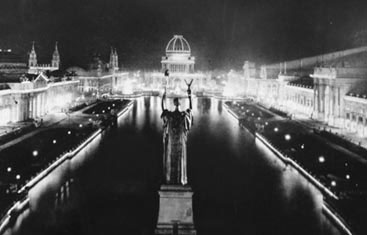
Outdoor lighting with electricity was introduced to Chicago at the 1893 Colombian Exposition, our huge world’s fair. Westinghouse, armed with Nikola Tesla’s alternating-current system, illuminated the Columbian Exposition in Chicago for $399,000, Every building, including the enormous Manufacturers and Liberal Arts Building, was outlined in white bulbs. This was the first large-scale test of alternating current. Reportedly the fair alone consumed three times as much electricity as the entire city of Chicago. Giant searchlights were mounted on the Manufacturers’ roof and swept the grounds and surrounding neighborhoods. They were the largest ever made was said to be visible sixty miles away.
Henry had first strung large gas lamps to offer illumination to a nightly orchestra, At the beginning of the 20th century, many places continued to be illuminated with this dangerous gas lighting. Henry soon converted the park to electric light which meant that guests could drink and dance well into the evening enjoying music and cooler air.
However in Chicago’s neighborhoods, outdoor electric lighting was still new and different and were far from a given.
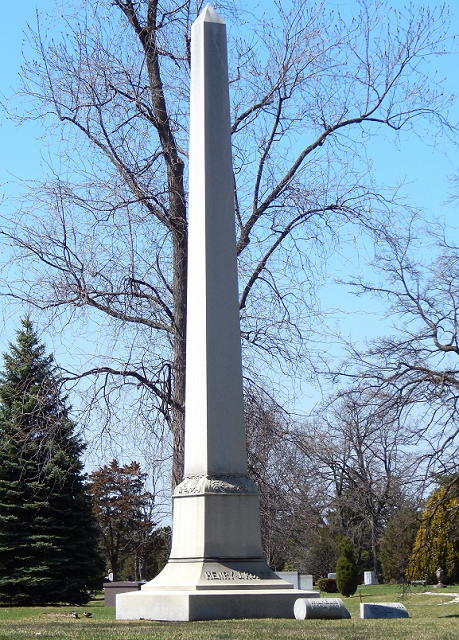
Henry James Kolze Sr., who was also a county commissioner in 1904, died on June 11 1926 of pneumonia and was buried in Ridgewood Cemetery on Milwaukee Avenue . His son Henry James Kolze Jr 1891-1982 who was born in one the buildings on the picnic ground carried on operating the Kolze Electric Park until it closed. A grandson Henry Kolze III was born in 1927 and died 1986.
In 1947, the Chicago Park District acquired the property and would convert the picnic grove into a public park. The park district demolished 19 of 20 buildings on the site, except the original clapboard tavern which served as the park’s field house until it too was replaced in 1969. The new park became today’s Merrimac Park.
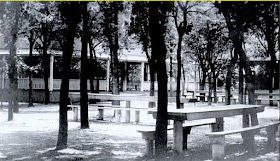
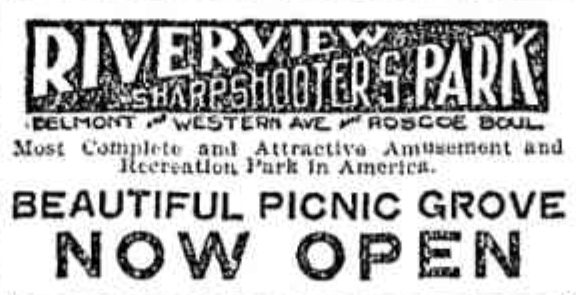
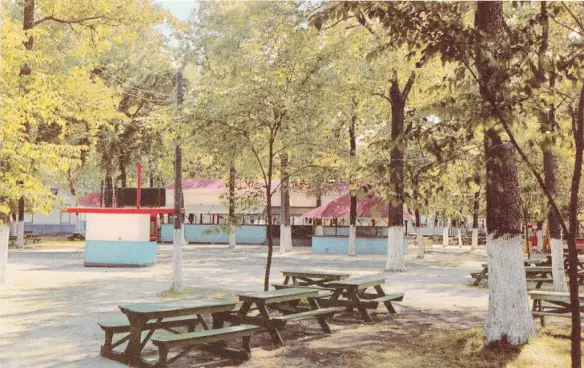
There were many other picnic groves in Chicago, actually dozens where people could escape the summer’s heat under the trees drinking beer, dancing, and being entertained. These were important meeting places on Sundays for Germans, Irish and anybody in Chicago. The most popular of course, was the picnic grove that became Riverview amusement park at Belmont Western, so large that it could hold thousands of people.
Picnic groves were somewhat of a cousin to cemeteries. After a funeral back in the day it was just common to have everybody gather in a picnic grove to drink away their sorrows and not to waste the day.
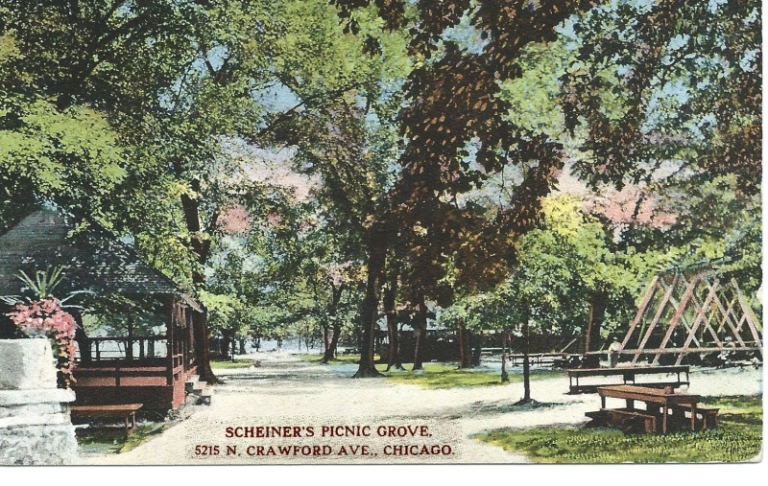
Scheiner’s Grove was actually on Bohemian national cemetery property catering to the mourners after funerals at Bohemian as well as the nearby Montrose and Saint Lucas cemeteries.
Scheiner’s offered patrons a wide variety of activities and amenities. There was a restaurant and beer hall facing 40th Avenue, from which visitors could walk to a foot bridge that led to the picnic grove on the other side of the river. The picnic grove featured a dancing pavilion, bowling alleys, and bars. Scheiner’s also offered complimentary parking; mourners could park their horse-drawn carriages in the grove’s own buggy shed while they buried their relatives in the adjoining cemetery.
See more including pictures about the picnic grove in a cemetery in my blog
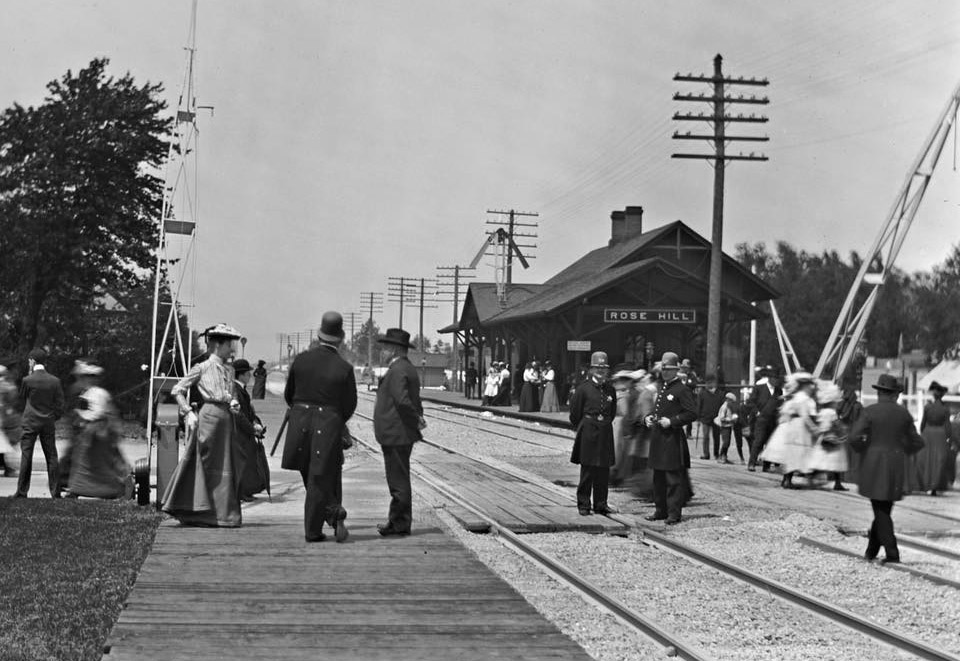
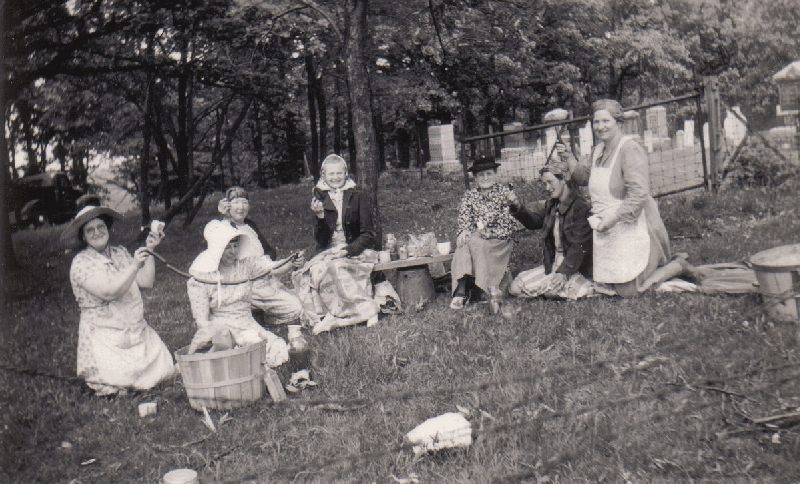
But some of the best places to have a picnic was actually within a Chicago cemetery, especially the larger ones like Rosehill, and Graceland.. Here generations could “talk” and break bread with both living and deceased . For decades it was a family tradition to spend a Sunday afternoon amongst the tombstones in the cemetery with a basket of food. And it was not uncommon to leave food or a beverage on the grave at the end of the day.
Sadly, as customs and changed, we tend not to visit the cemeteries as much as our parents and grandparents once did. It is still very important for us to remember those who have passed. It is all about family.


 Chicago and Cook County Cemeteries