On a cold March evening about 1950, my dad was driving me downtown on Lakeshore Drive when he said “look! There it is!”
He was pointing the iconic Palmolive Beacon. Depending on how old you are and actually had three different names. When it was built in 1929 it was named the Lindbergh Beacon or Lindbergh light named for the aviator Charles Lindbergh was added to the building in 1930. It rotated a full 360 degrees and was initially intended to help guide airplanes safely to Midway Airport. Then a later, it was more commonly known as the Palmolive Beacon . In 1965 it was renamed the Playboy beacon and 919 N. Michigan was renamed the Playboy Building. when Playboy Enterprises purchased the leasehold of the building. It was home to the editorial and business offices of Playboy magazine from that time until 1989 when it was then renamed the 919 N. Michigan building.
He was without a doubt the most colorful and entertining figure on Chicago streets for decades. If you are old enough like me, you might have met him at his favorite corner of the 63rd and Halsted, or maybe he entertained you on a Sunday morning shopping trip to Maxwell Street. He was also often seen in Chicago’s loop, on the corner of Clark and Diversey or even on elevated trains.
As a kid, I remember seeing him in front of my favorite hobby store, Hobbymodels on the northeast corner of Devon and Western on Chicago’s far north side.
He was known as the Chicken Man or Chicken Charley. The white chicken sitting on his head was named “Mae West” or “Babe” among others. It was said that he raised and trained over 30 roosters in his career.
His name was Anderson Punch who also went by the name of Casey Jones, supposedly born in 1870 in Marshall Texas. The story goes that he came to Chicago in either 1911 or 1914 from Louisiana. He was a charismatic black man in his later years with his snow white hair and wearing a disheveled hat.
He described himself as a show-man, who had played the accordion on the streets for many years prior to his chicken phase. When his accordion gave out, he added the chicken act to his repertoire His original trademark was an old squeeze box in a battered tin case, but you could also recognize him with a cardboard sign around his neck, a long string adorned with such items as a toy telephone, dolls, and even bottles of beer.
But you could not miss the live chicken on his head! If you donated dime, he would place the chicken on the sidewalk, covered with a cloth, and tell it to “go to sleep”. After his performance he would remove the cloth, the chicken would “awake” and scratch dance to the music.
. In 1971, he was still performing on the south side when he celebrated his 101st birthday.
He died on Wednesday June 12 1974 in the Vincennes Manor nursing home 4724 S. Vincennes where he had lived since 1972. His funeral was held at the A.A. Rayner Funeral home at 4141 S. Cottage Grove Ave. followed by a church service at the third Baptist Church.
Please leave a comment below if you remember or had seen Anderson Punch, the Chicken man yourself. Tell us where you saw him.
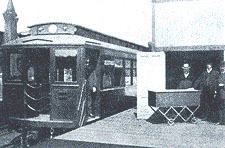
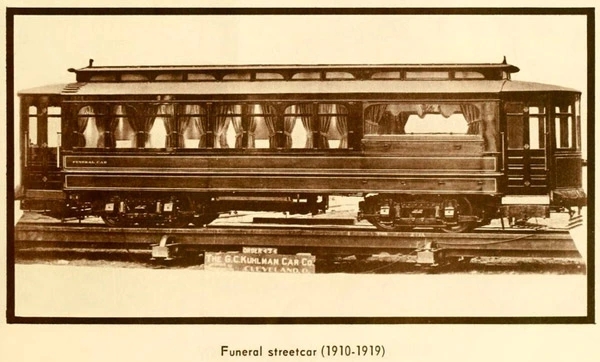
In larger metropolitan areas including Chicago, funeral trains and funeral streetcars were common in transporting a funeral party and the deceased to the cemetery. In the days of Unpaved roads and horse-drawn hearses, the trolley funeral car Or funeral train offered a more dignified ride to one’s final resting place. especially before the advent of motorized hearse
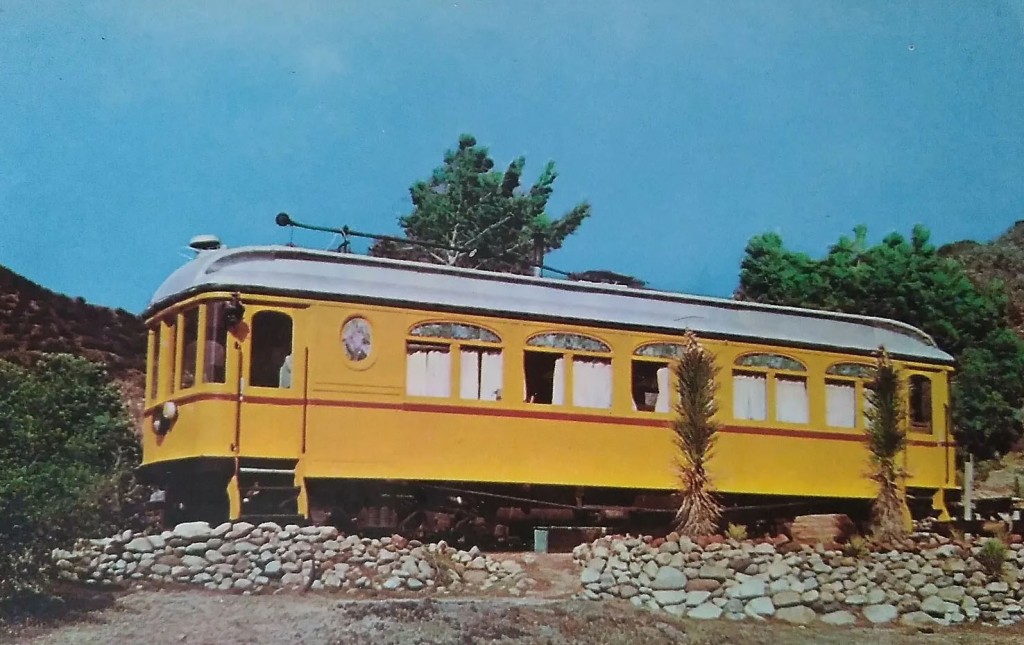
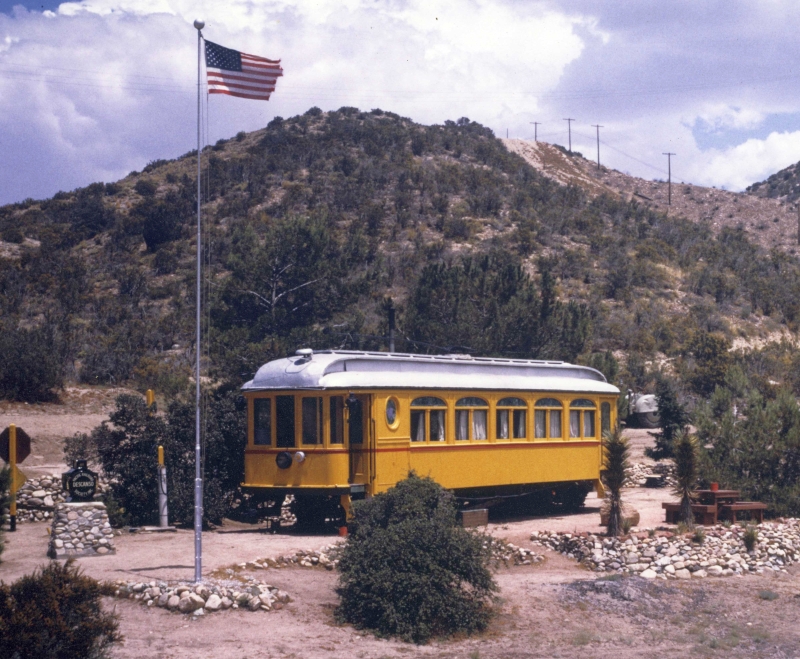
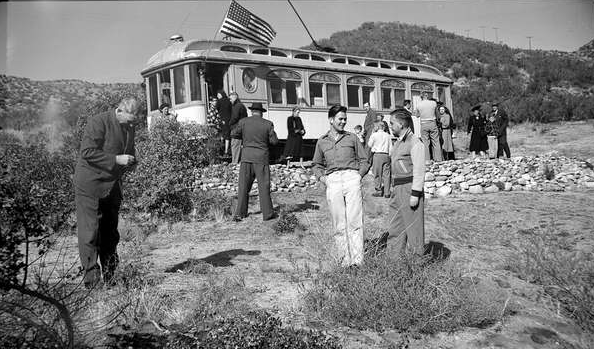
Meet Chard Walker born in Massachusetts on June 8, 1922. A career railroad employee for about 36 years.Near that depot where he worked at Summit California, Walker actually lived in an old 1909 funeral streetcar, known as the Descanso.
He lived in it for eight years until he married in 1955. The old funeral streetcar was without lighting and with heat generated only by a wood stove.
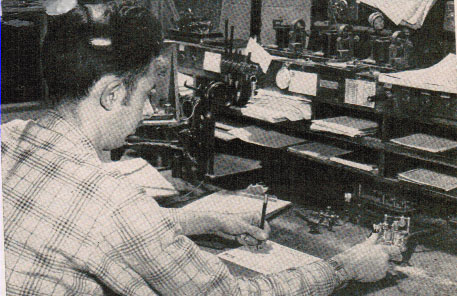
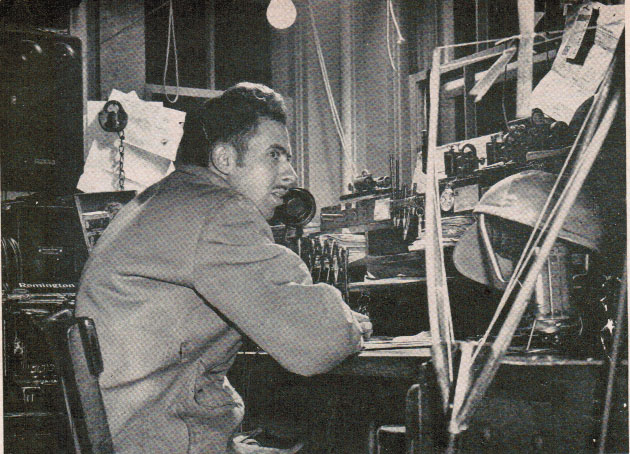
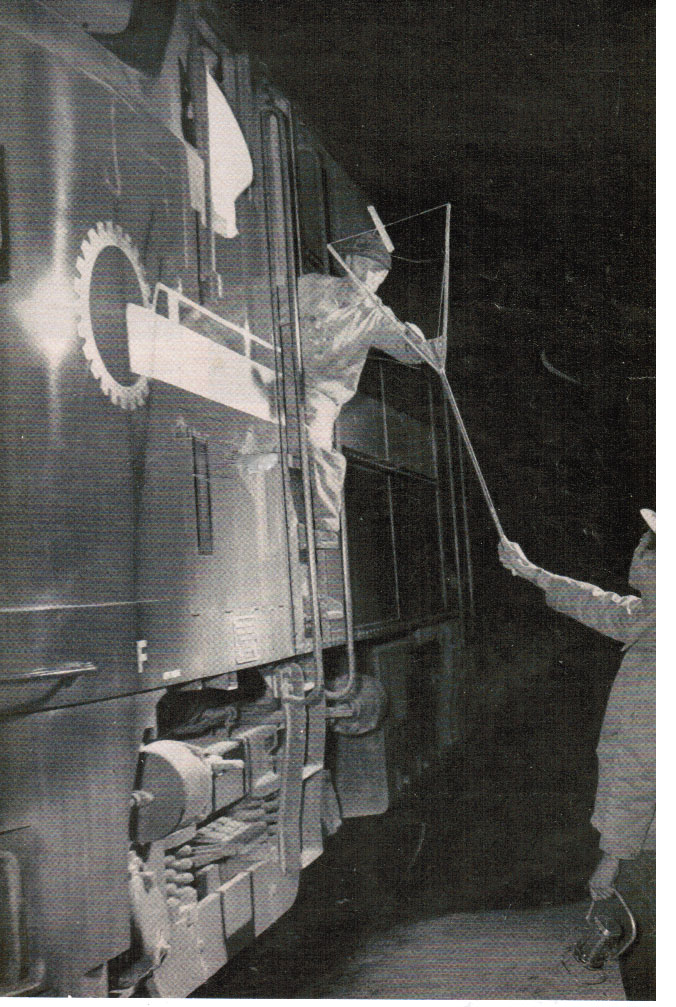
For most of his years Chard was a railroad telegrapher and an avid rail fan. And for 16 years his office was at the depot at Summit California where the Santa Fe and the Union Pacific trains were challenged by the slopes of Cajon pass located between the San Bernardino and San Gabriel mountains, . One of Chard’s most important duties is that of copying the dispatchers frequent train orders.
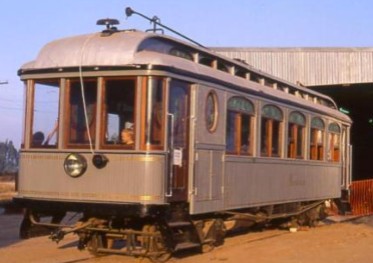
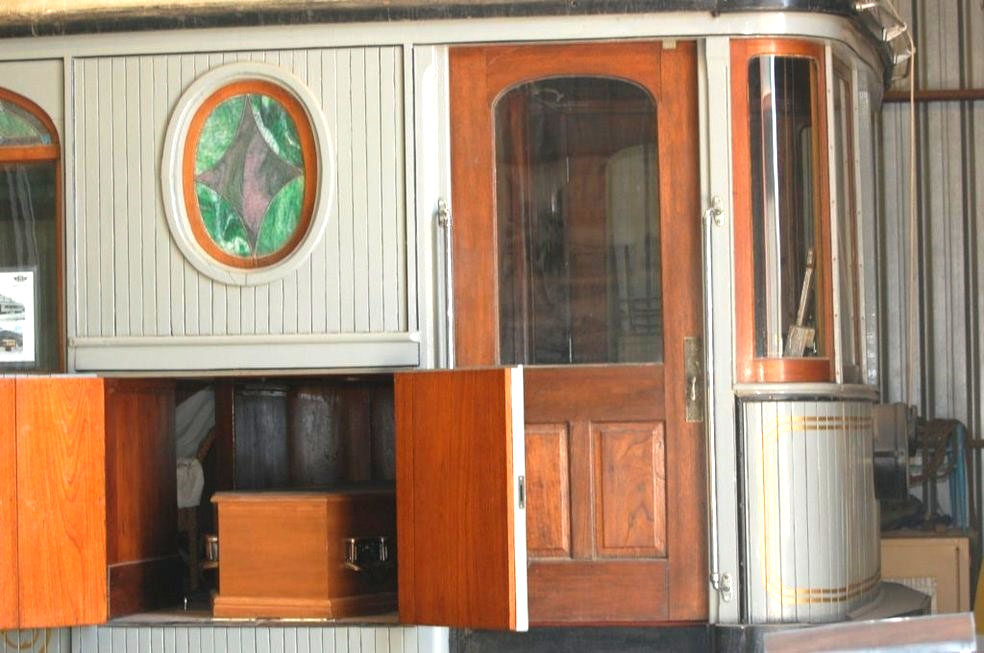
The Descanto was built in Los Angeles Railway’s 7th and Central shops by Master car builder E.L. Stephens and was placed in service on February 20, 1909, painted light grey. The car was originally named the funeral car Paraiso, Spanish for paradise, but was later renamed Descanso Spanish for rest.
.For $25, the Descanso could be chartered to transport the funeral party to and from one of the several online cemeteries in Los Angeles. Los Angeles Railway provided this service to Inglewood Park, Rosedale, and Evergreen Cemeteries and to those on Whittier Blvd. in East Los Angeles.
The Los Angeles Railway or Yellow Line, which at its peak comprised of 20 streetcar lines with 1,250 trolleys.
The Descanso is the only remaining funeral streetcar known to exist in the U.S. despite that dedicated funeral cars were once standard equipment added to streetcar systems.
The small doors on the side permitted a casket to be loaded inside. Upon arrival the cemetery, the casket would be wheeled to the gravesite. Funeral car service ended in 1924, a victim of competition from automotive hearses.
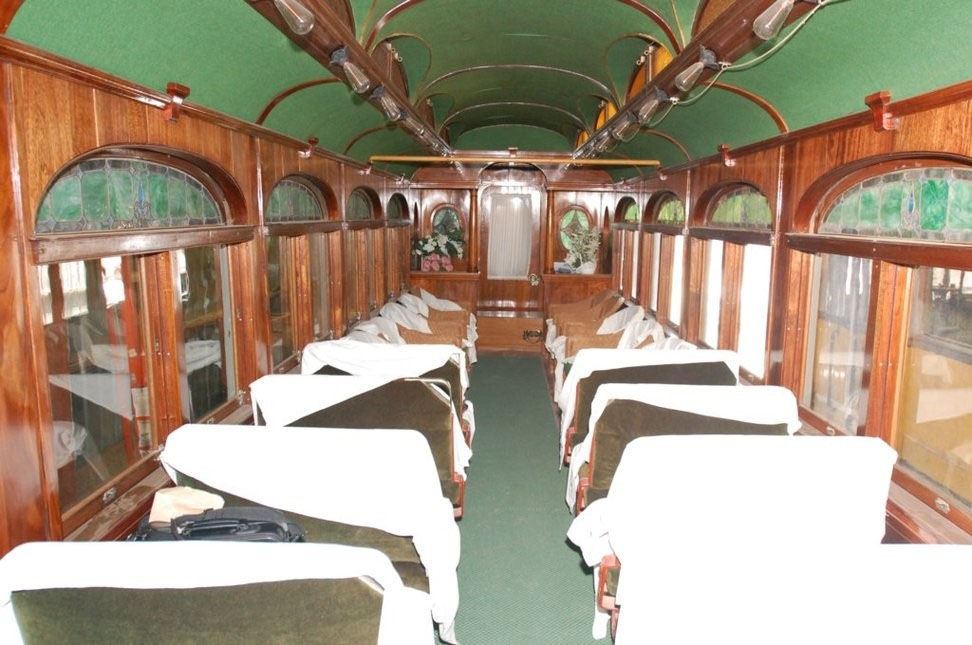
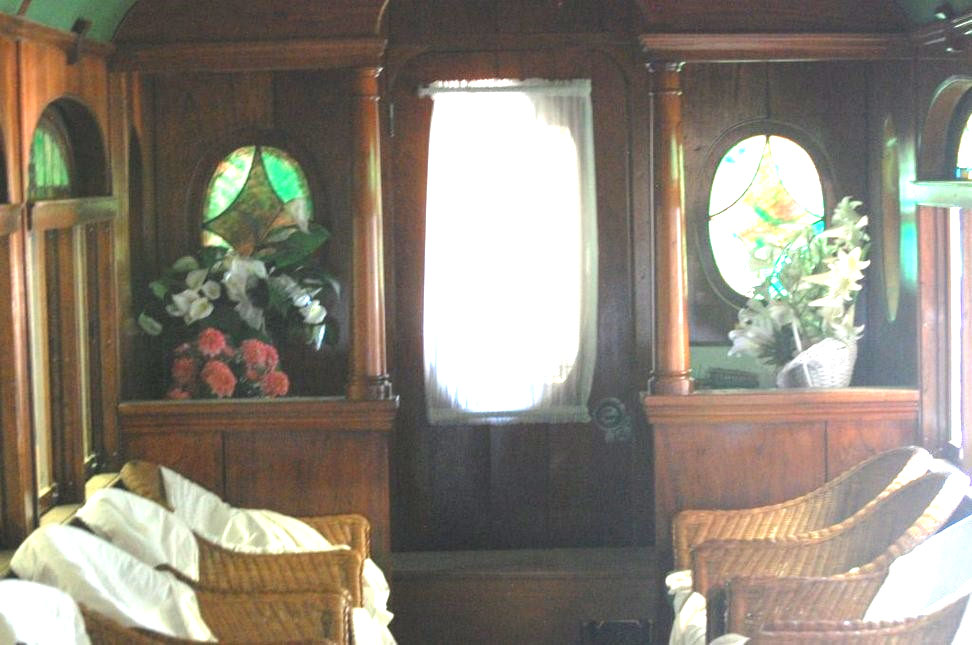
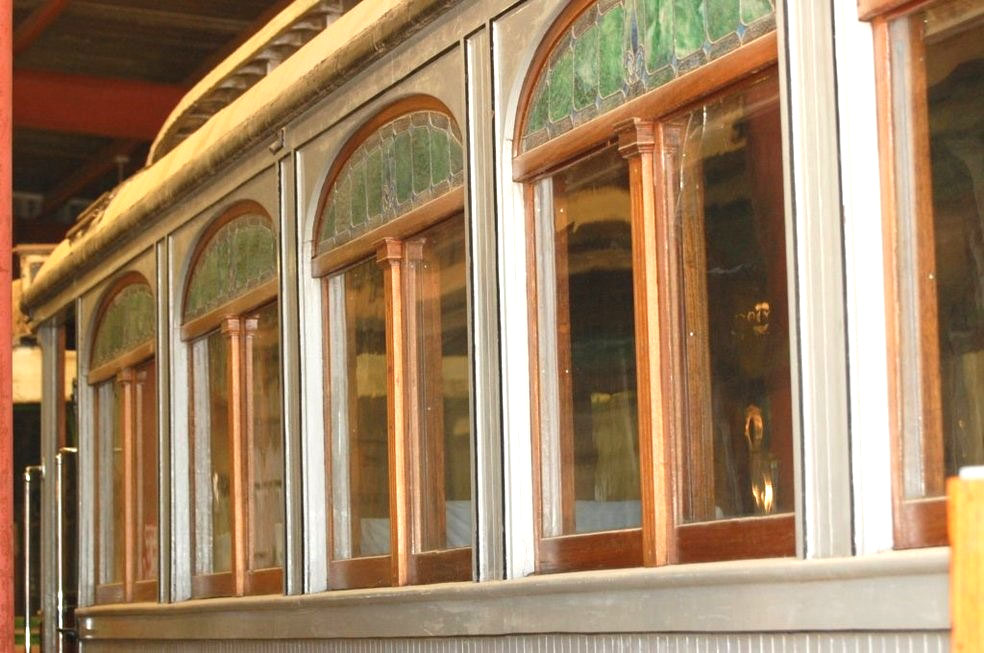
the Descanso was one of two funeral cars, designed with a compartment that opened . The family sat with the coffin in an interior including stained-glass windows. For the funeral party, the interior was outfitted with 20 rattan armchairs and were later replaced by 20 plush seats.
I
n 1940 the Exteriorcolor of the Descanso was Pullman green and was sold to the railroad boosters (the predecessors of the Pacific railroad society). Theymoved it to the summit of Cajon pass.
About 1951, Chard Walker used this funeral streetcar as his only residence. Seems a bit creepy you might think, but for him it made perfect sense. He lived rent-free in a piece of railroad history just a few feet away from where he worked.
Later the Descanso was fitted with bunks and other amenities used as a clubhouse for train watching until 1967, when construction of a new rail line through the pass forced its removal.
It was moved to the Los Angeles Railway Museum museum, (formerly the Orange Empire Railroad Museum), where it was nicely restored in 1990
Chard L. Walker, 85, who worked for 16 years at the Santa Fe train order station at Summit, California, in Cajon Pass, died September 28, 2007 at his home in Hesperia, California.
Walker hired out on the Santa Fe June 20, 1947. He qualified as a train-order operator with a seniority date of September 5, 1947. He was a full-time relief operator at Summit from 1951 until the position was terminated February 12, 1967. At its peak, Summit consisted of a post office, a few railway maintenance buildings, and company homes, one of which Walker occupied with his wife Margaret and his two daughters, Judy and Joy.
After leaving Summit, he moved to a night job in the San Bernardino dispatcher’s office and a tower job at the Barstow classification yard. Walker retired June 9, 1983. After retiring in 1983, he wrote two books about Cajon Pass.
Here are a couple other of my stories that you might find interesting:
Fireplugs are almost always overlooked unless you risk a parking ticket or worse. Dogs love them and on a hot summer day kids use them on to keep cool.
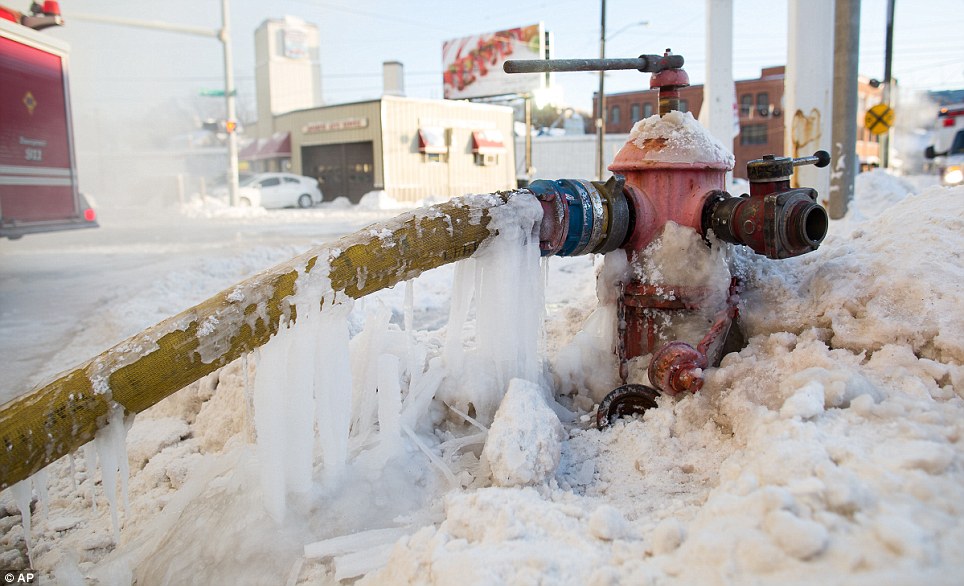
Firefighters wrestle with frozen hydrants during the cold Chicago winter.
They come in a variety of sizes shapes and colors. There are dry barrel hydrants in cold winter areas, and the wet barrel “California” can be found in warmer climates. There are “traffic hydrants” designed to break off on impact without damaging the main valve.
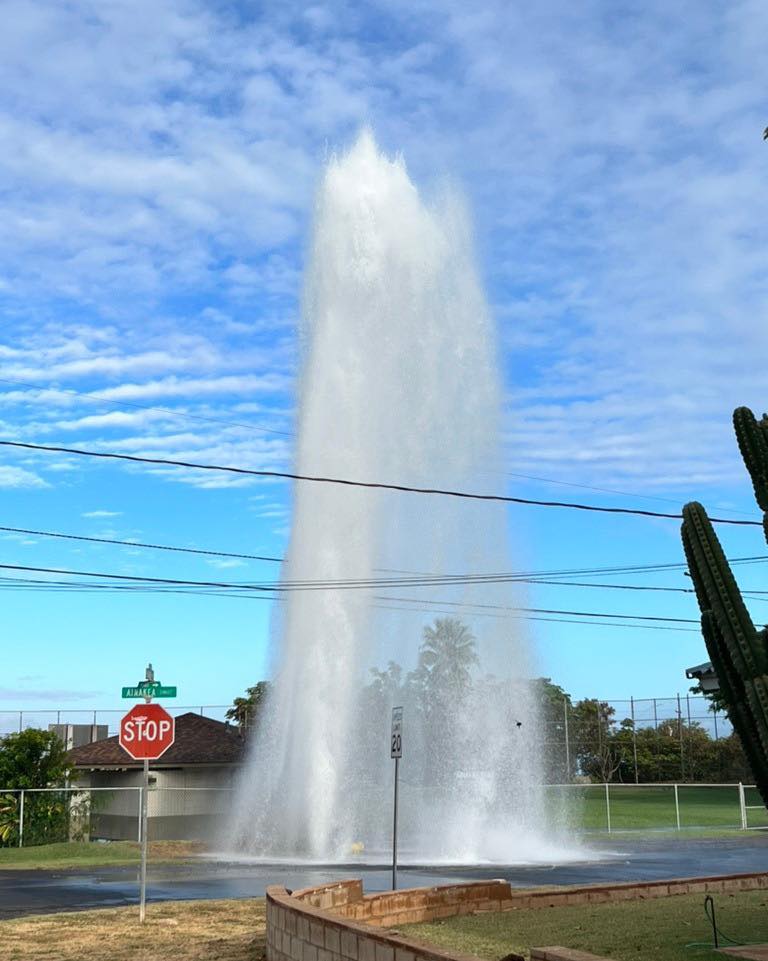
A broken hydrant can cause a geyser.
They call it a fire hydrant, a fireplug, or back in the day even a firecock or “Johnny Pump”.
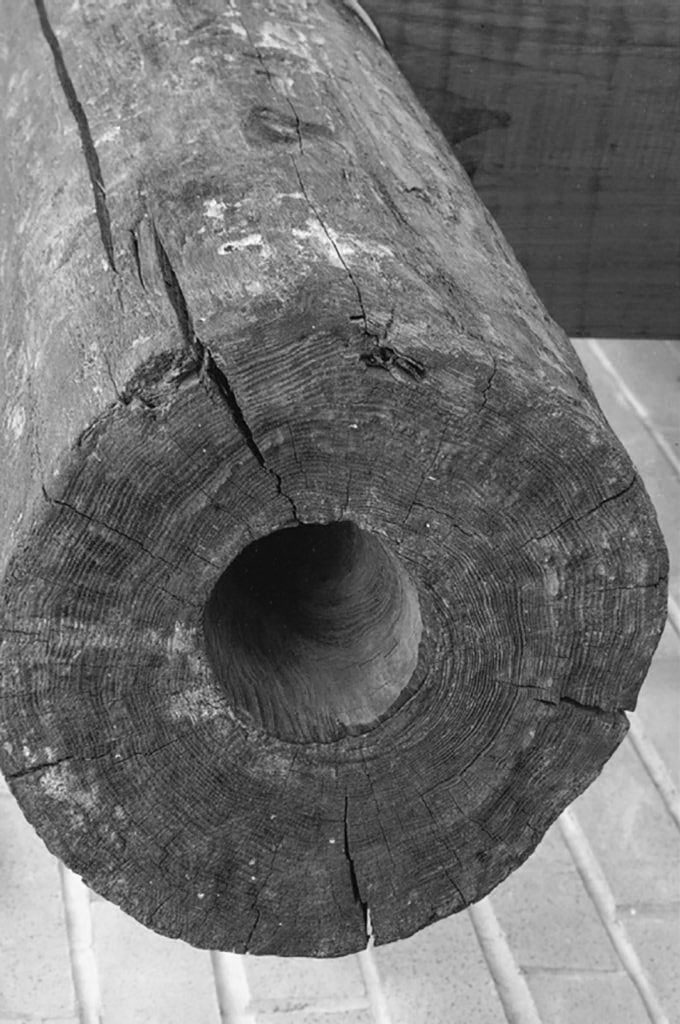
Fireplugs date back when firefighters would drill holes in wooden street mains made from hollowed out logs. After the fire, they stopped each hole with a wooden plug hence the name fireplug. They marked the location in case the plug was needed again.





 Chicago and Cook County Cemeteries