Chicago’s own Gold Spike Ceremony

On May 10, 1869, at Promontory Summit in Utah, the famous Golden Spike was “hammered” into the last railroad tie, celebrating the birth of the Transcontinental Railroad.
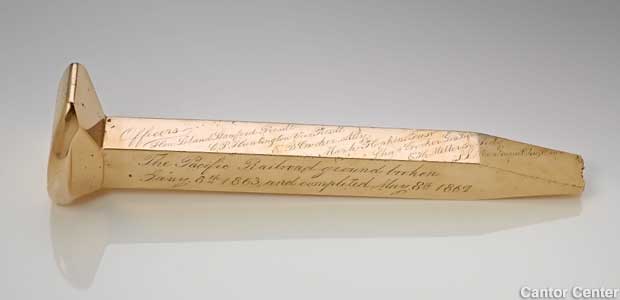
79 years later beginning on July 20 1948, the “Wheels A-Rolling” pageant,  a feature of the Chicago Railroad fair, re-created  the  Golden Spike ceremony each day at the Chicago Railroad fair . It was held in both 1948 and 1949 on 50 acres along the lakefront, (where McCormick Place would be built decades later) and set an attendance record of 5,233,552 visitors

I was only four or five years old when i was one of those visitors, often referred to as “the last great railroad fair” celebrating 100 years of Chicago railroad history. I actually remember a bit of it, like Paul Bunyon and the pageant, but most of the rest is a blur. Join me as I revisit the fair that entertained and educated us all about trains.

Continue reading “Chicago’s own Gold Spike Ceremony”
How us kids stay cool on hot summer days

In our youth, beating the heat and entertaining oneself on a Chicago summer day required some creativity. Playing tag, long bicycle rides, softball in the alley, would just have to wait until cooler weather, so the answer was squirt guns and water balloon fights. Not only were they such fun, but they kept us cool.

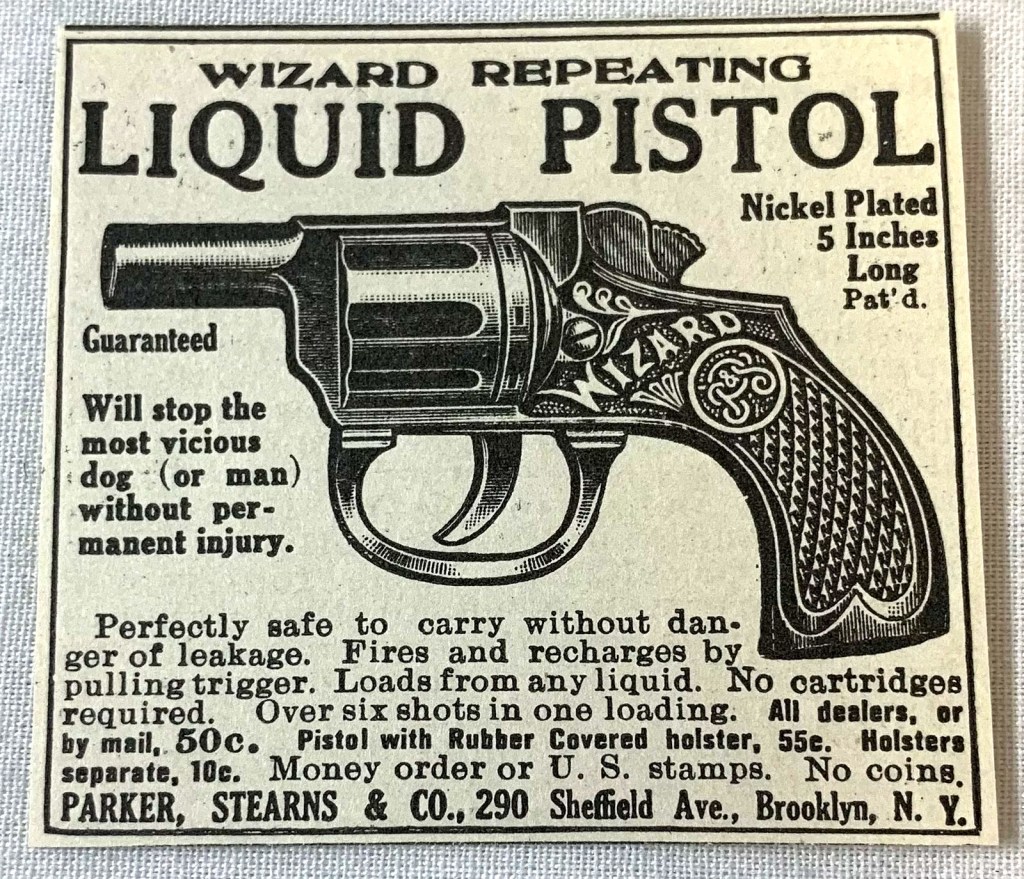
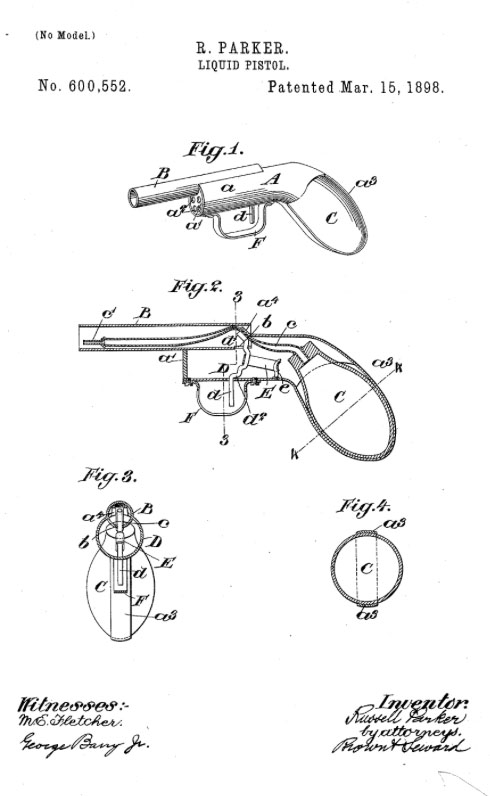
Squirt guns have been around since  J.W. Wolff’s with a June 30, 1896 patent.

 And on  Aug 20, 1897  Russell Parker, a business man in Brooklyn New York, with his business, PARKER STEARNS & SUTTON at 230 South St, , New York. He applied for and received a patent for the U.S.A. Liquid Pistol  dated march 15 1898 and again dec 17 1901 to squirt water, ammonia, or any liquid.

The patent documents reveal that it was made of nickel and contained a refillable bulb within the handle and, when compressed by the trigger, pushed air into the bulb, forcing the liquid through the discharge tube. Parker sold these for 40 cents apiece, and advertised it as protection for cyclists.

Continue reading “How us kids stay cool on hot summer days”

So who was Mr. Piper?

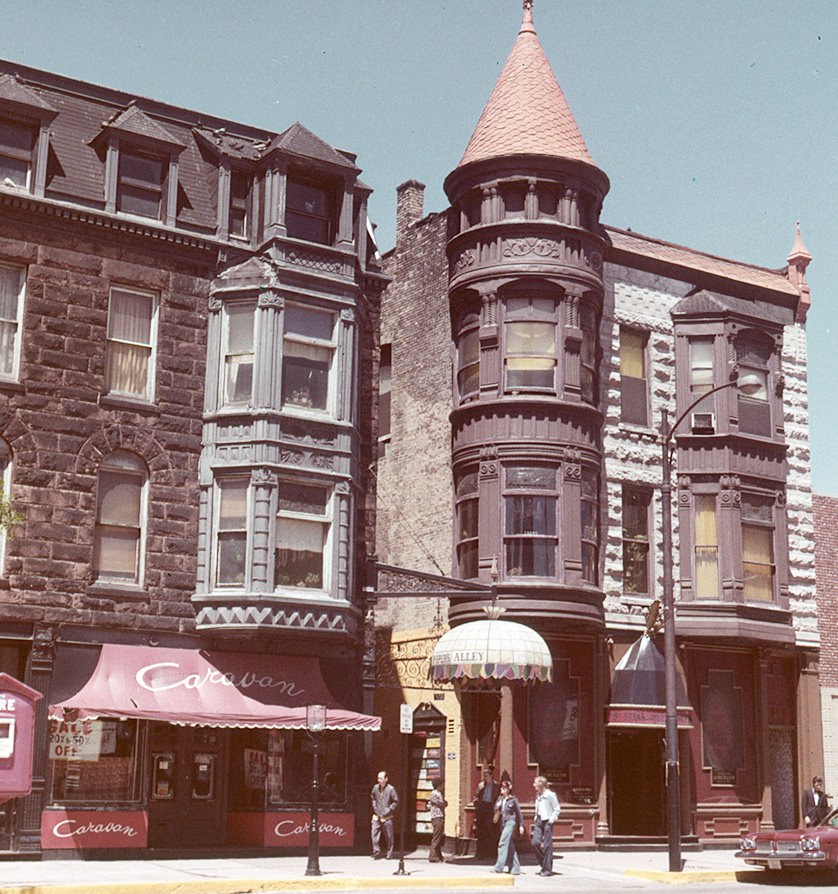
“Piper’s Alley was opened in Nov. 1965 but was once was the H. Piper Baking Company and stables. It became a popular tourist spot in the 1960’s at 1608 N. Wells Street. There hung a huge Tiffany style umbrella between the Caravan store at 1606 N. Wells and the upscale That Steak Joynt at 1610 N. Wells. Many of us explored the narrow alley that led to a myriad of quirky shops.

You might remember Charlie’s general store with. Charlie a real live monkey. Farther along were Poor Richards, Second Hand Rose,  Jack B. Nimble Candle Shop,  John Brown’s Leather Works, and more. There was also the Aardvark Cinematheque Movie Theatre and the famous Second City improv theatre.

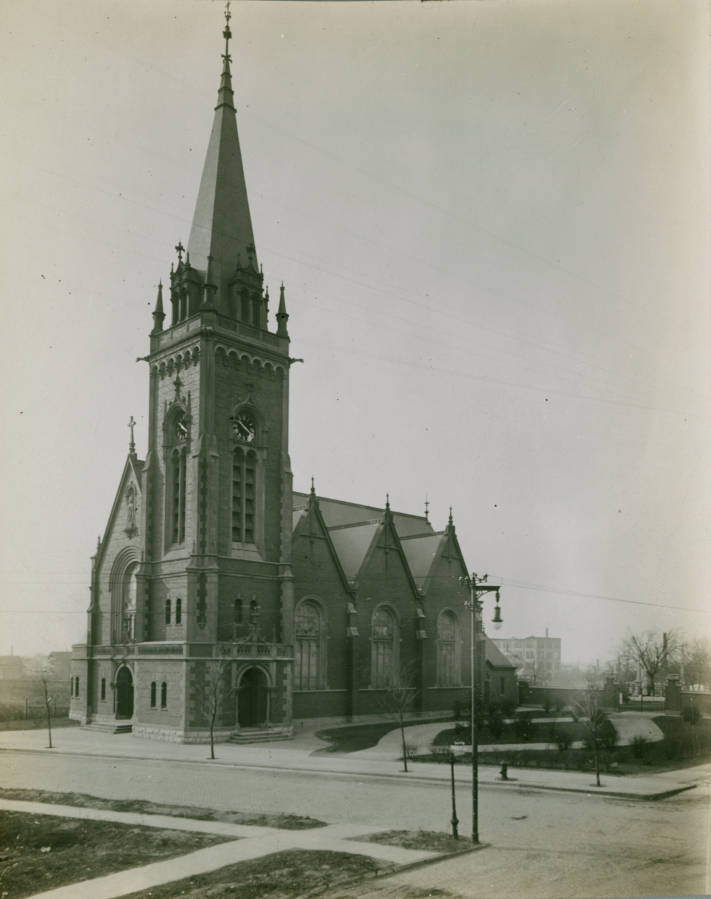
Chicago’s Old Town neighborhood was originally a farming community of German-immigrants settling in the 1840’s and anchored by St. Michael’s Catholic Church built in 1869, which survived great Chicago fire of 1871.

Wells Street by the way, before the 1909 Chicago street renaming and renumbering, was 5th Avenue. 

But let’s look at the fascinating history of Pipers Alley, How did Piper’s Alley get its name? Well it was originally the horse and wagon access to the H. Piper Baking Company.

And was there a Mr. Piper? There certainly was, his name was Heinrich “Henry” Piper (1840-1914) who built one of Chicago’s most successful bakery operation at 1610 N. Wells, famous for a wide variety of breads, German pumpernickel, sweets and much more. Henry lived there with his wife,  family and four servants.

Continue reading “So who was Mr. Piper?”

1914: Chicago’s Devon Avenue originally Church Road

You are looking at a photograph taken about 1914, looking east on what was Devon Avenue (6400 North) originally Church Road..

The person taking the picture was standing just east of Western Avenue (2400 west) at about Bell Avenue (2232 West).Just barely visible way in the distance and just above the tree line at Church Road and Ridge Avenue was the beautiful  St. Henry’s church steeple.

Continue reading “1914: Chicago’s Devon Avenue originally Church Road”