Chicago’s Plank Roads or being stuck in the mud

Back in the day, if you were a farmer bringing your goods into the city to sell ,  your horse and wagon would often sink deep into muddy rutted roads. This was especially true during  the spring snow melt and torrential summer rains.

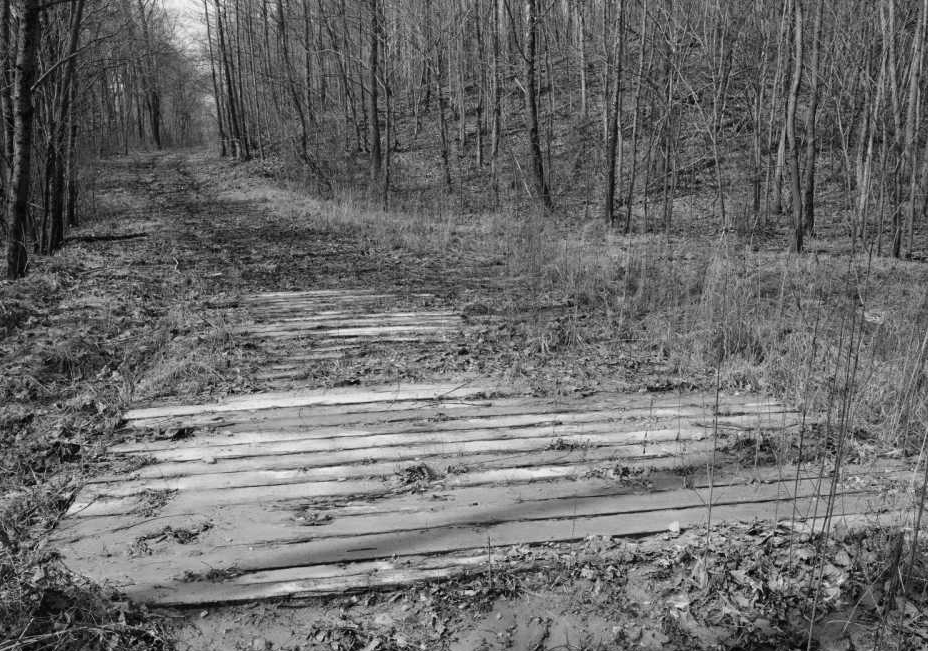
The solution were Plank roads radiating out of the city often called “the farmers railroad”. They were a very important part of Chicago’s transportation for a few years, with 50 miles were built between 1848-1855 at a cost of approximately $150,000. Although they were a huge improvement over mud and ruts, Plank roads were so rough that they were often called “corduroy roads”.

Plank roads were cheap to build, usually heavy planks a few inches thick and eight feet long attached crosswise to wooden stringers set into the roadbed.. Pine and hemlock were sometimes used for planking, but oak and black walnut, although more expensive, were more durable and long-lasting.
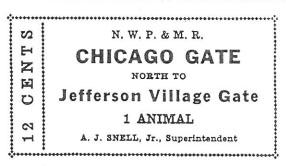
Plank Road companies recouped their investments by collecting tolls at toll gates  at regular intervals infuriating farmers who needed to bring their products to market without added costs. As one example, Amos J Snell made a ton of money charging farmers on the Elston and Northwest (Milwaukee Avenue) plank roads. More about him later.  Some farmers were really good at finding ways to bypass the toll roads, hence streets named Dodge. Other farmers simply burned down the toll house.

Continue reading “Chicago’s Plank Roads or being stuck in the mud”
1914: Chicago’s Devon Avenue originally Church Road

You are looking at a photograph taken about 1914, looking east on what was Devon Avenue (6400 North) originally Church Road..

The person taking the picture was standing just east of Western Avenue (2400 west) at about Bell Avenue (2232 West).Just barely visible way in the distance and just above the tree line at Church Road and Ridge Avenue was the beautiful  St. Henry’s church steeple.

Continue reading “1914: Chicago’s Devon Avenue originally Church Road”

Dear Dad: Your Chicago has changed!

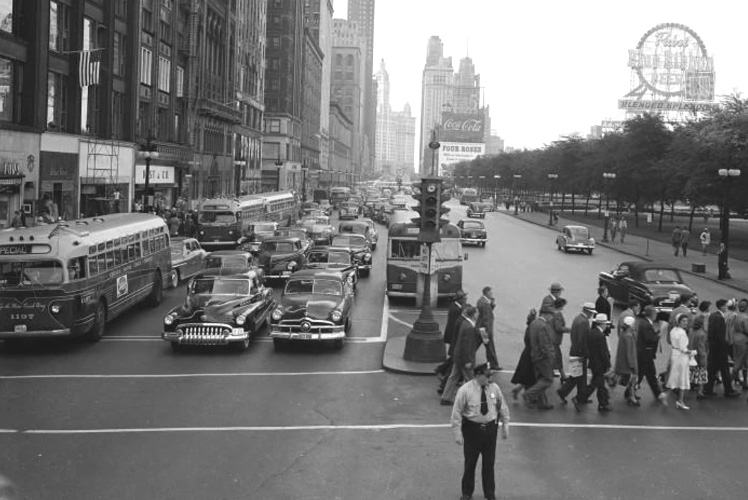
If you could come back to life for just a day,  I would love to tell you about today’s Chicago, the way we travel, shop and communicate.  You died in 1959 at the early age of 54 when I was only 14. If you could come back to us and your Chicago for just one day, here is what I would love to tell you.

Back then you only knew propeller driven airplanes out of Midway Airport

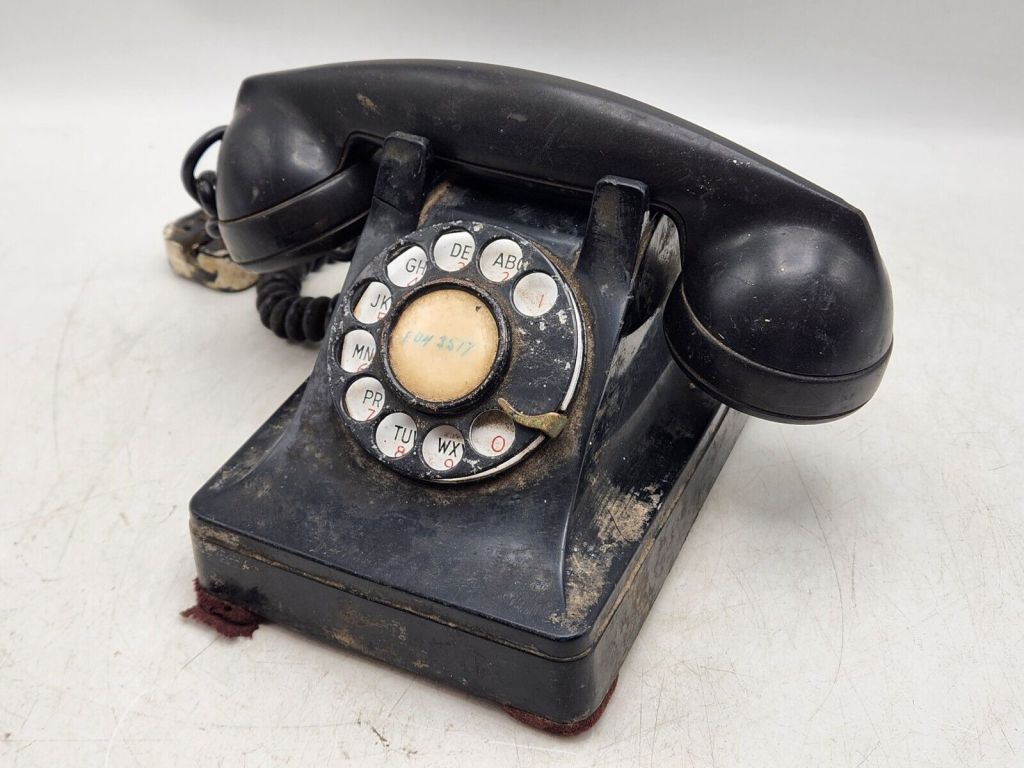
To reach others, your Bell System dial telephone was connected to the wall by a wire. You put a three cent stamp on a letter.

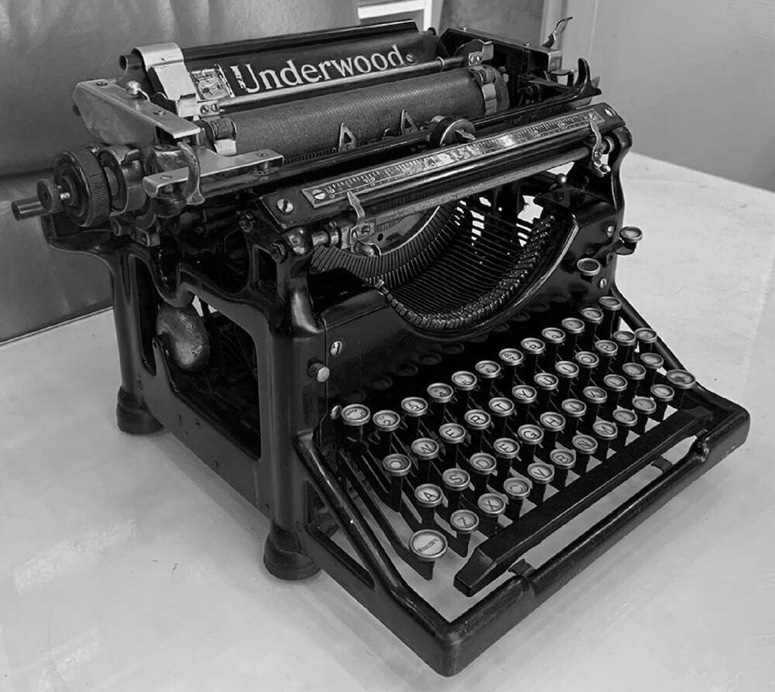
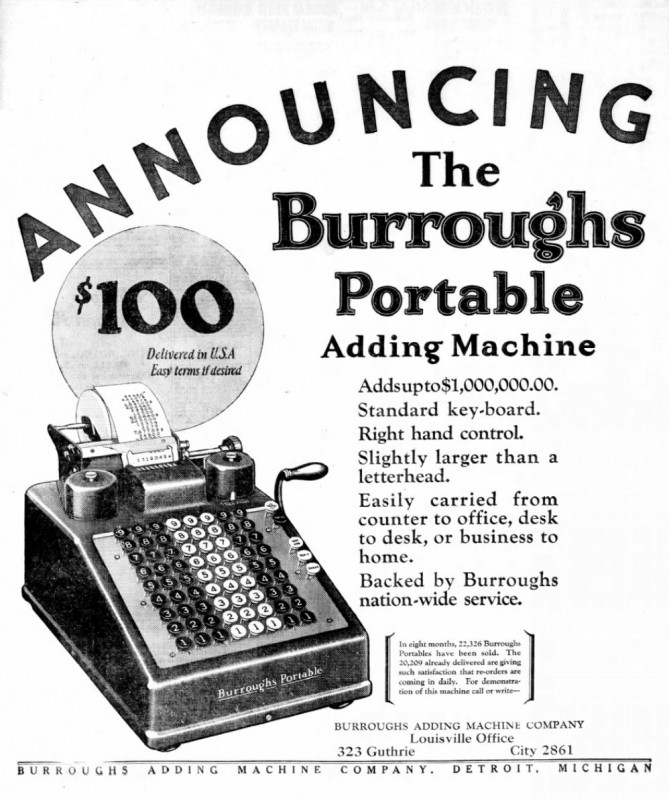
At work you typed that letter in duplicate using a typewriter and a sheet of carbon paper. You added and subtracted on a mechanical adding machine.

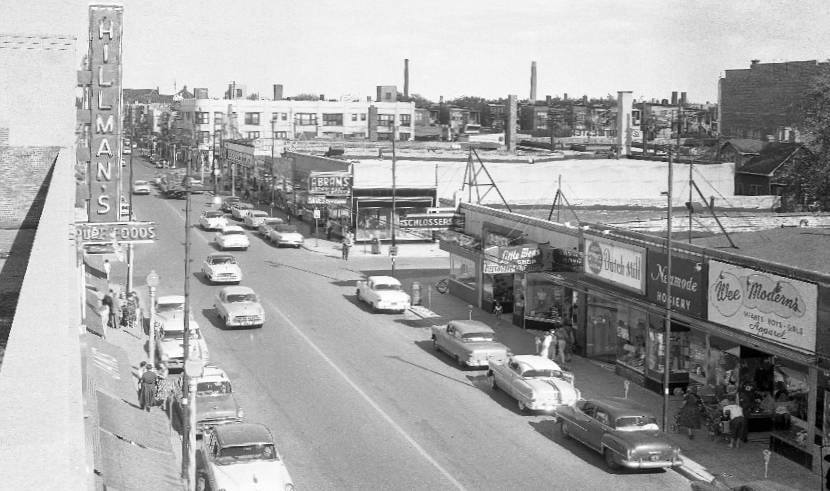
Devon Avenue looking East

You shopped at bakeries and dime stores on Devon Avenue. There was Crawfords and Abrams, Hobbymodels and Hillman’s.

Closer to home there was Pete’s grocery store, a butcher shop, and Sanders drugstore on Pratt. Helga’s delicatessen was just a block north on Western .

If you drove a bit farther to Lincoln Village or Wieboldt’s at Lincoln and Belmont, gas was only about $.16 a gallon. a fill-up could be as low as $2!

Your first car was a 1928 used Chevrolet, you are last was a used 1954 model. Your mother called them “machines”. And you rode the old red street cars and later the Green Hornet, which ended on June 21, 1958.

Continue reading “Dear Dad: Your Chicago has changed!”

Sliding down the Pole

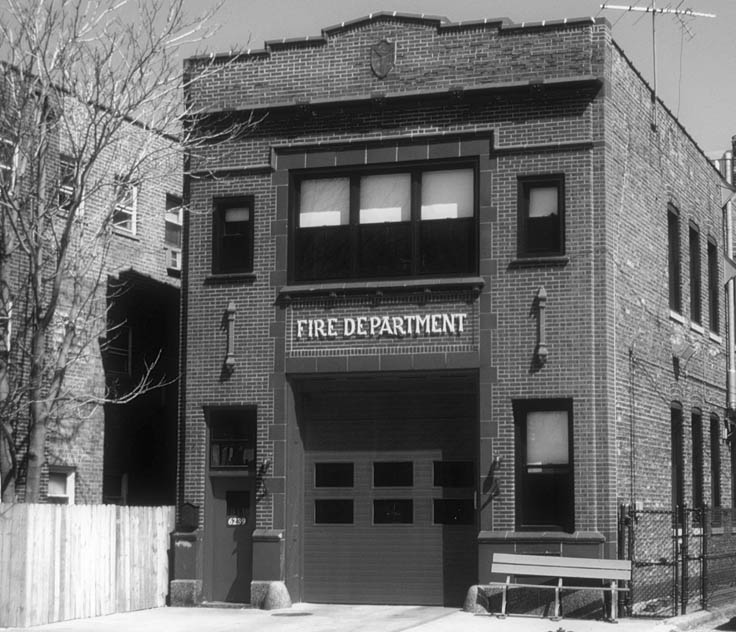
I was just a kid on Chicago’s north side when my grammar school class toured the Chicago fire Department Engine 71’s firehouse at 6239 N California. Watching the fireman slide down the fire pole, we learned  that the fire pole was actually invented in Chicago some 71 years earlier. A few other cities claim that they had a fire pole first, but I shall stubbornly stick to this Chicago story unless proved otherwise.

Flash back to 1878 and a three story wooden frame firehouse at 313 Third Avenue (later renamed and renumbered to 909 South Plymouth Court) in Chicago.  Although long gone, it was then the busy quarters of Engine Company 21 organized in 1872 as the first black fire company in the Chicago fire Department. The ground floor containing the firefighting equipment and the horses, the floor above was for sleeping, and the top floor the hayloft used to store the winter supply of hay to feed the horses.

Until 1878, firefighters would come down from their sleeping quarters to their fire apparatus  either by a spiral staircase or through a slide chute. A spiral staircase was better than a regular wide staircase because it took up less space in the firehouse. Worse yet, the fire horses could at times try to climb the regular stairs to visit the firemen or get a treat! Just picture a firemen who would awake to either a hungry or playful horse that missed their human companions. It really happened!

Continue reading “Sliding down the Pole”