
Back in the day announcing the death of a family member was quite different. There was no telephone and of course no Internet.
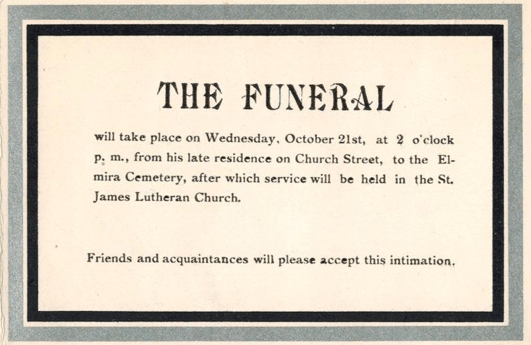
Although notifying friends and family members in person was best, Mourning cards, edged in black were often hand delivered or mailed.
Some were sealed with black sealing wax. Victorian families often posted a similar mourning card to the front door to let neighbors and visitors know there had been a death. Sometimes the door was adorned with a black bow, black crepe, a wreath of laurel, or a bundle of yew branches .

Black seemed to be the universal color of death. For at least a year after the death, Victorian relatives some time used stationery and handkerchiefs with a black border. Widows wore black and many would not leave their homes without covering their faces with a dark veil. Some restricted their jewelry to what was called “mourning jewelry” , limited to jet black there were lockets, bracelets, or brooches woven or braided from the hair of the deceased. Men’s mourning practices could generally go about their lives, sometimes wearing a black arm band to signify their loss.

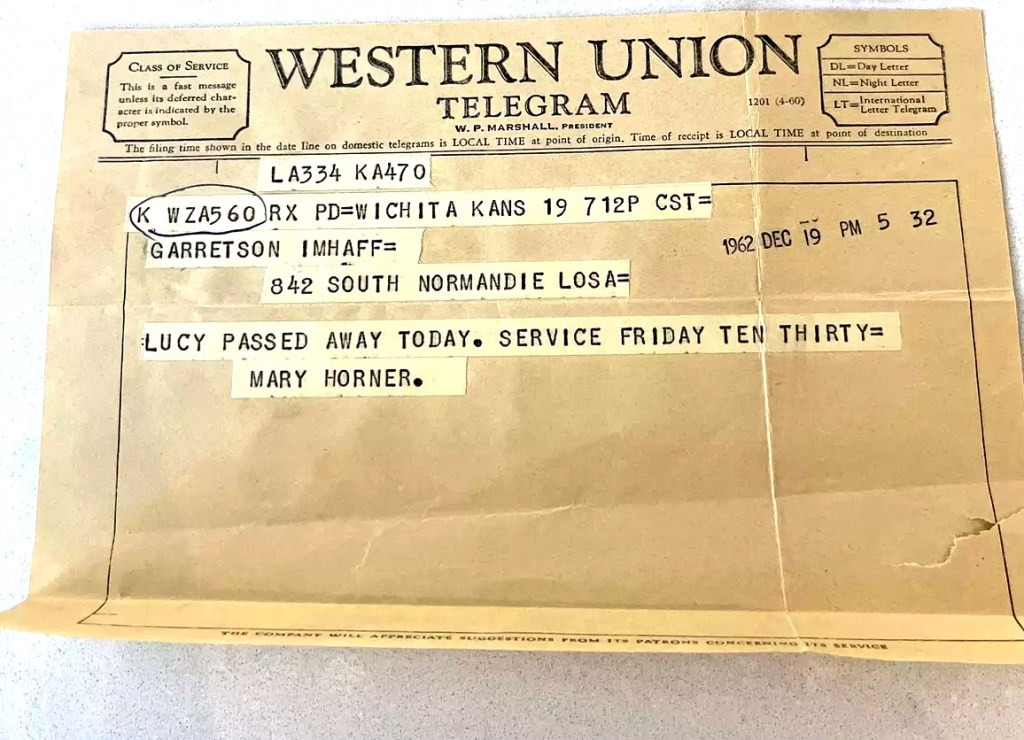
A telegram that begins with “I regret to inform you” was always devastating.Western Union, founded in 1851 as a telegraph business in Rochester, New York. ,The birth of the telegraph industry reflected society’s growing need for connections between friends, family and businesses. In the 1930s, sending a telegram by Western Union was a common method of communication. Paper messages were hand-carried to the recipient by a messenger. On January 27, 2006, the company sent its last telegram.

For more than 250 years, newspapers were the primary method to announce a death becoming a grim messenger of sorts. in ancient Rome about 43 BCE, they would publish the “Acta Diurna” or Daily Acts,, which included a list of people who’ve died.
Then, during the late 1800s, ‘Death Journalism’ dominated newspaper obituaries with morbid tidbits about how the deceased person met their end. Obituary and death notice sections were variously titled “Memorial Advertisements”, “Death Acknowledgments”, “Death Announcements”, “In Remembrance”, “Died”, etc. Unlike adult obituaries, which stuck to the facts, a child’s obituary may have included a brief verse of poetry.
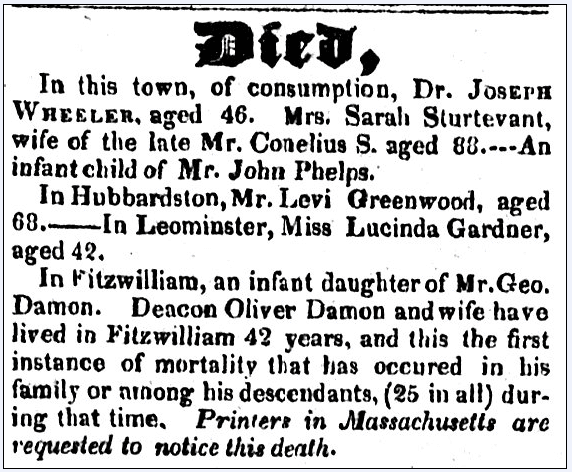
Before the Linotype machine was invented in 1886, every printed letter in the newspaper had to be set by hand, so obituaries were very short. Linotype made page composition cheaper and easier, so obituaries could become longer and more detailed. Although most obituaries usually run less than 200 words, Pope John Paul II holds the current world record for the longest known obituary at 13,870 words.
The Modern English-language term “obituary” has lexis roots dating back to Old Latin’s ‘obit’ derivative, which meant “death”. There are several ways a newspaper may cover the event.

For the famous public figures like politicians, movie stars, entertainers, and other newsmakers, there would be a major news story or even a headline, written by the newspaper, distinct from the shorter death announcements that evolved into the modern obituary. Larger newspapers prepared these stories well before the death.
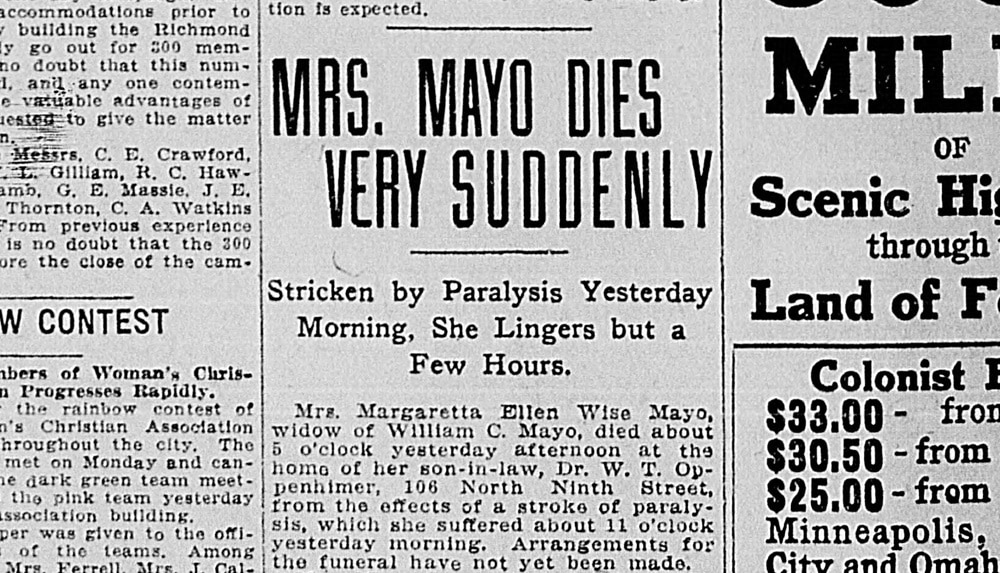
For lessor but well known people in the community there would be an announcement or obituary usually written by a reporter. Small town newspapers are a good example. often a treasure trove of information, Offering so much more than just cold, hard facts, these small-town papers reported on the social life and character of the person. After sharing news of his unexpected death, an article might say: “He was a quiet, modest, unassuming man who retained the respect of everyone who knew him.”

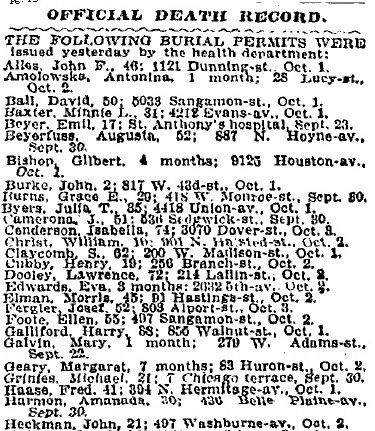
Not as common today, were official notices of death or issuance of burial permits. The information was commonly obtained from official records and reprinted in the newspaper.
Even today, one of the most the most common ways to notify a death is through a paid classified newspaper advertisement prepared by the family or funeral home. . The first thing some people do every morning is flip to the obituaries section, curious if they recognize high-school classmates or neighbors among the names of the recently deceased.
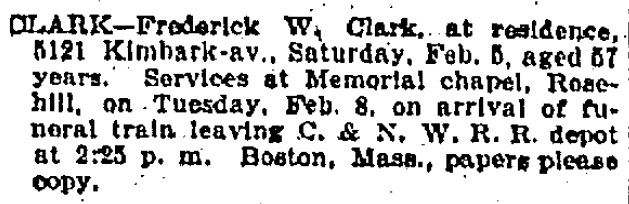

An average paid obituary can start at about $50 and can well exceed $500, as newspapers charge by the line or word count and may include a photograph. Dath notices often adhere to a four-part structure: death announcement, short biography, a “survived by” section and funeral information. Families may include as much information they wish in a death notice where information about funeral services, memorials, donations and surviving family members, as well as personal remembrances, can be found.
At the one year anniversary after the death, families might publish a memorial notice.
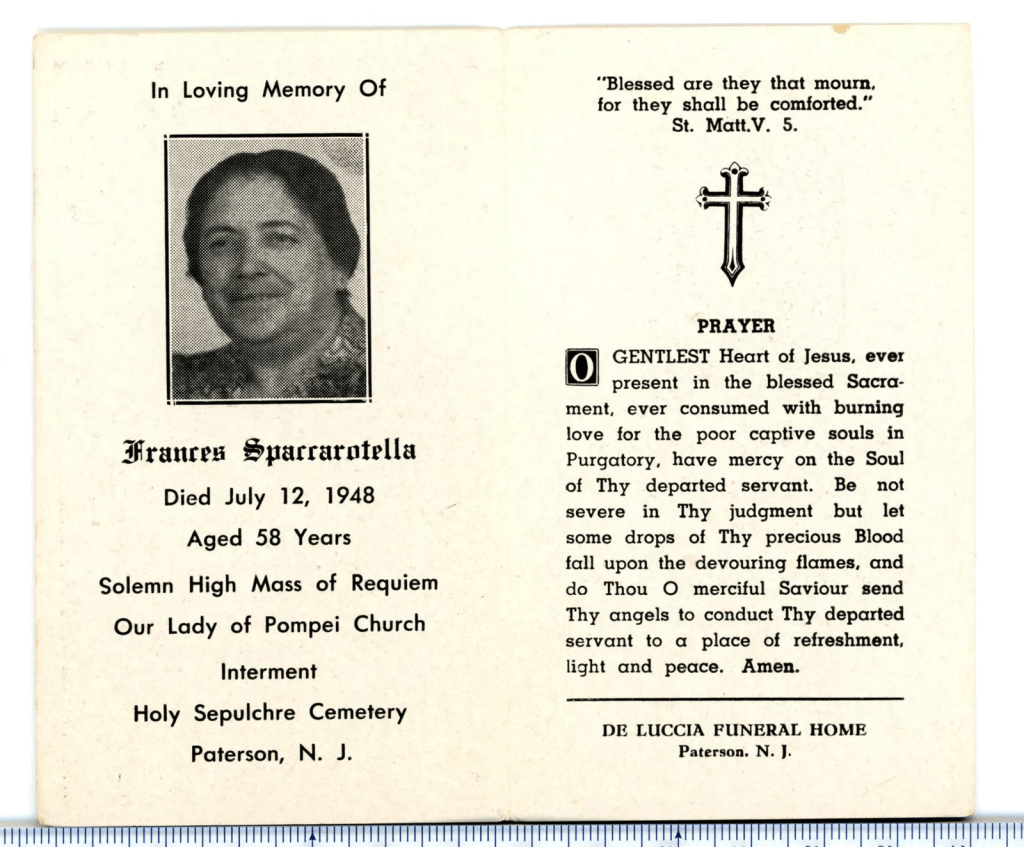
At the time of the funeral, memorial cards prayer cards, and books are printed and sold by the funeral home.

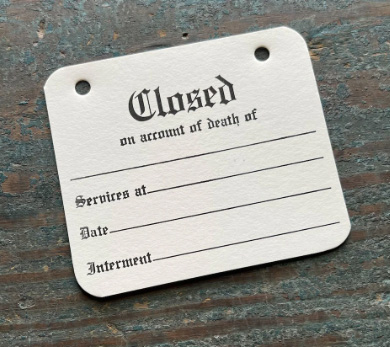
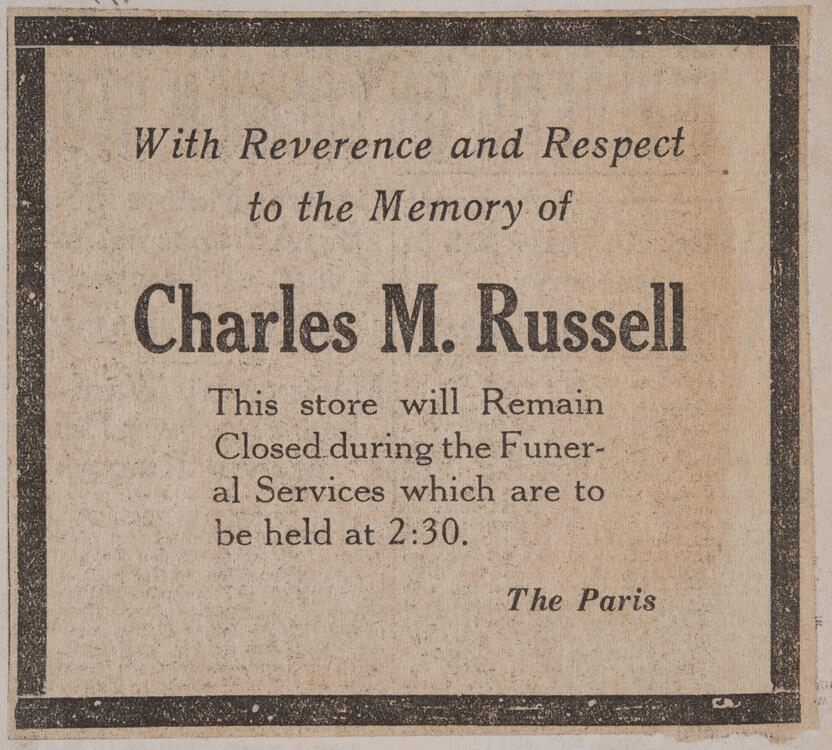
Often a business will close for the day, with a sign posted on the door.
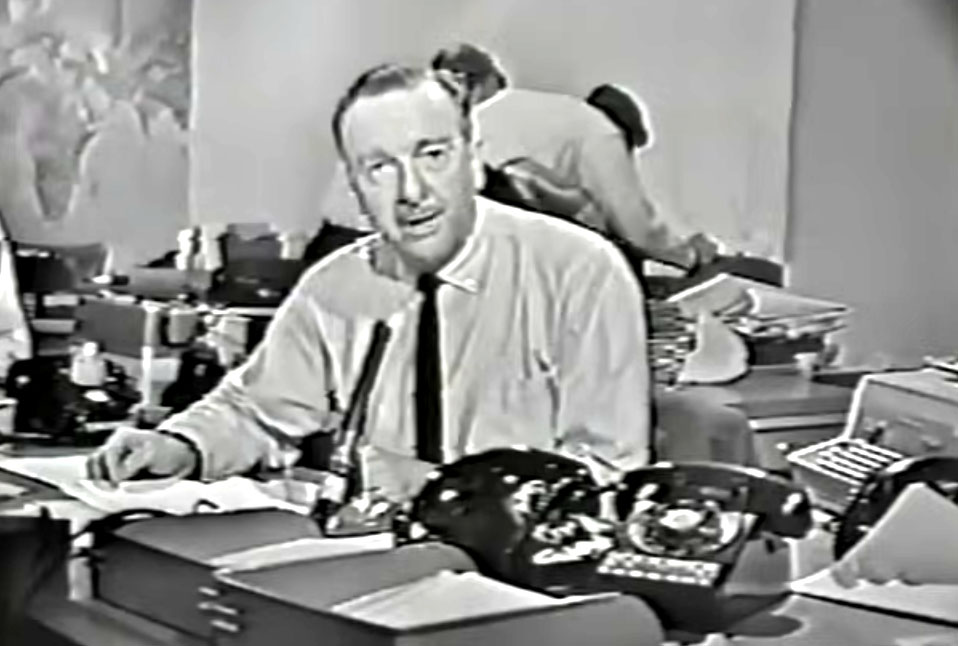
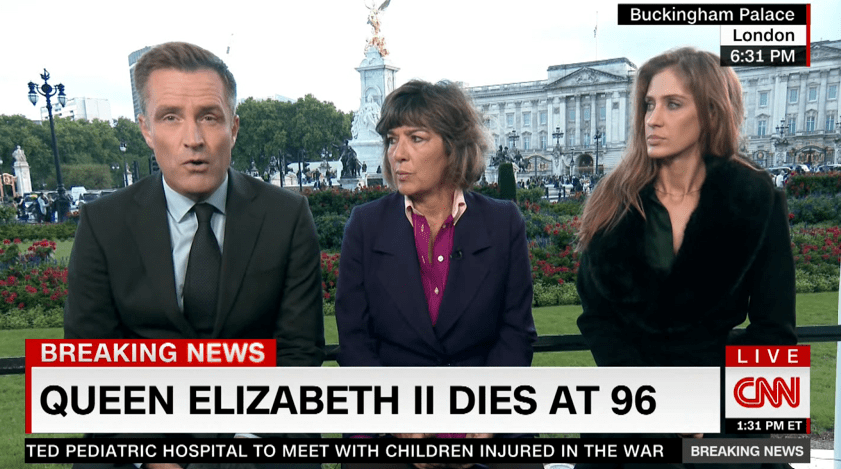
Radio and television is often the first to report a famous death. And with a famous person it often become “breaking news” with an interruption in regular programming.
As social media on the internet grew and print newspaper circulation declined , notices of death moved online. Newspapers have turned to online editions.

Facebook, email and texting are now very common ways notifying others of a death but may not reach those who do not use the computer often. . Many funeral homes offer obituaries on their websites either at no cost or for a fee. YouTube actually carries hundreds of full video funerals, many streaming in real time..
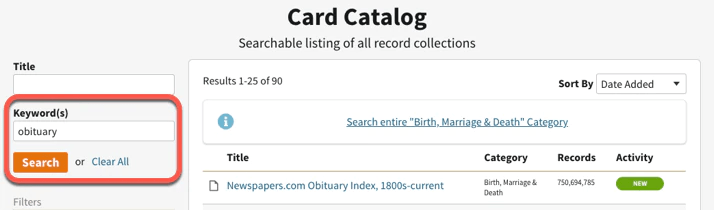
Newspapers.com is a huge source of older obituaries. Ancestry.com a paid genealogy website has a comprehensive online obituary archives to include U.S., Social Security Death Index, 1935-2014, published obituaries using AI algorithms to extract biographical data and can be automatically added to subscribers’ family trees. FamilySearch.org a free website, is also an excellent way to find death and obituary information. Findagrave.com is a wonderful resource, not only locating the cemetery and grave , but often containing valuable biographical information of the person.
And lastly, and probably the most strange is a billboard obituary. Thankfully it is not common
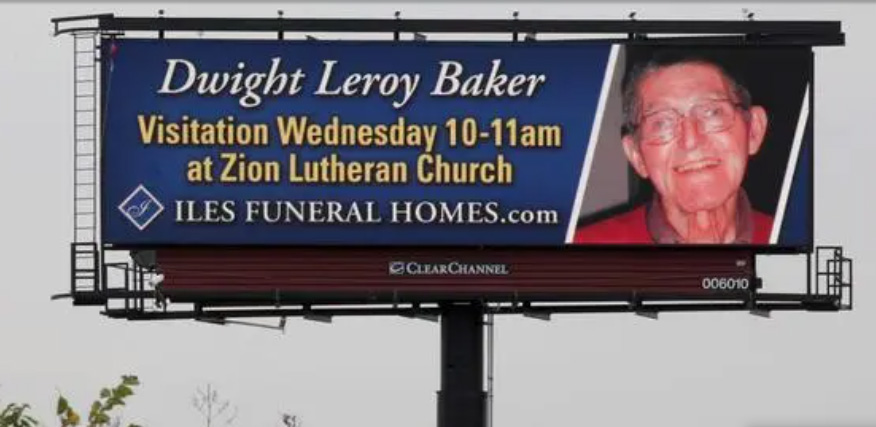
An obituary no matter what the format, is by its very nature unwelcome news, sad and even traumatic, but an invaluable source for genealogical information for your family tree. Beyond just the death dates, you may uncover relationships, children, occupations, hobbies, travel, achievements, and most important, the story of the person. If you are having a problem locating someone who has passed, I might be able to help at no charge or one Oreo cookie. Email me at bartonius84@hotmail.com.
Please remember that life is fragile. Treasure those still with us. Be safe and well.
If you have enjoyed this story, please leave a comment below. Also, I cordially invite you to subscribe so that you will receive notification of the many upcoming stories about Chicago and Chicago cemeteries. Subscribing is free.
And while you’re at it, check out this related story that I previously published.
 Chicago and Cook County Cemeteries
This was a fascinating look at obits – thank you!
LikeLike