
NYFD shown but Chicago is similar
Fireplugs are almost always overlooked unless you risk a parking ticket or worse. Dogs love them and on a hot summer day kids use them on to keep cool.

Firefighters wrestle with frozen hydrants during the cold Chicago winter.
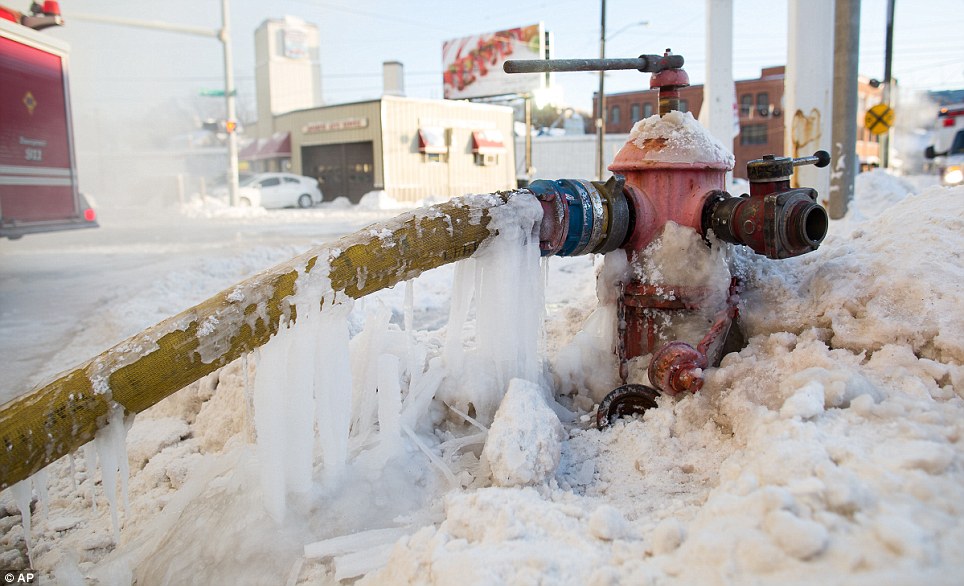
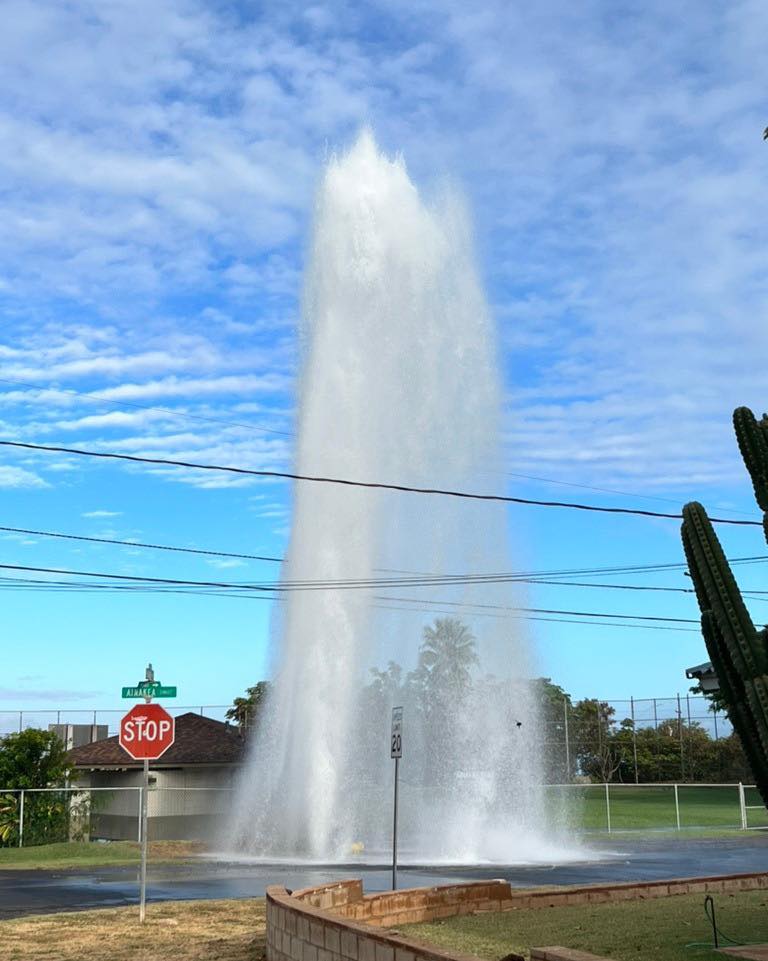
They come in a variety of sizes shapes and colors. There are dry barrel hydrants in cold winter areas, and the wet barrel “California” can be found in warmer climates. There are “traffic hydrants” designed to break off on impact without damaging the main valve.
A broken hydrant can cause a geyser.
They call it a fire hydrant, a fireplug, or back in the day even a firecock or “Johnny Pump”.
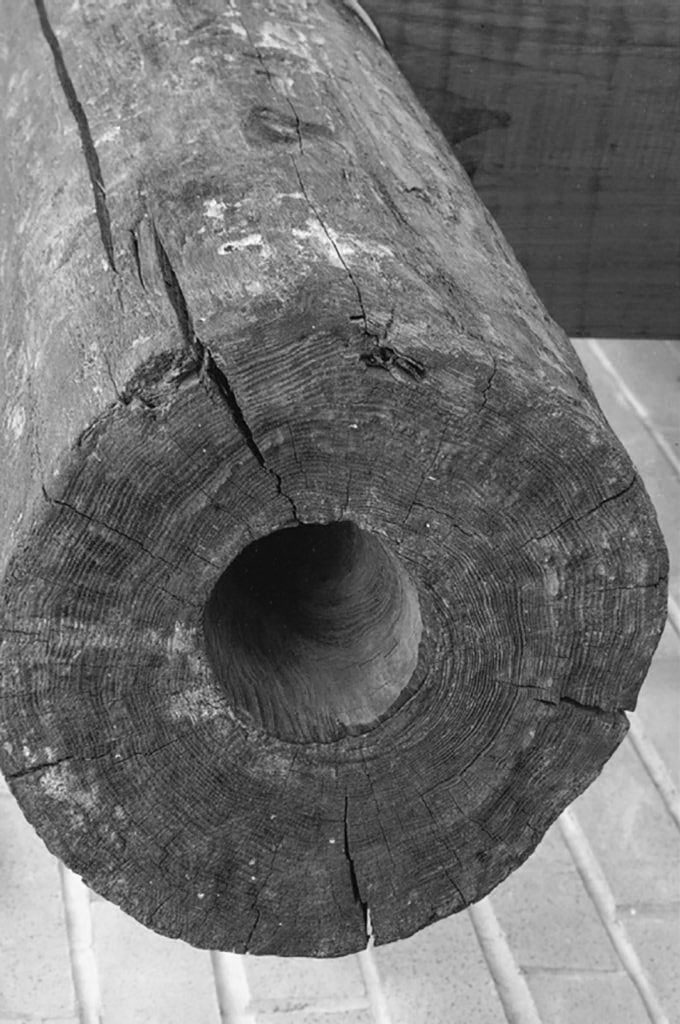

Fireplugs date back when firefighters would drill holes in wooden street mains made from hollowed out logs. After the fire, they stopped each hole with a wooden plug hence the name fireplug. They marked the location in case the plug was needed again.
It is widely believed that the patent for the first cast iron fire hydrant was lost in the Great Patent Office Fire of 1836 consuming thousands of patent documents, leaving us to speculate which hydrant design could claim the title of “first.”
In 1802, the first order for cast iron hydrants was placed with a cannon maker Foxall & Richards. In 1803, Frederick Graff Sr. introduced an improved version of the fire hydrant with the valve in the lower portion. In 1811, Philadelphia claimed to have had 230 wooden hydrant pumps and 185 cast iron fire hydrants.
The Chicago fire department depends on over 50,000 fire hydrants for a sustainable supply of water when fighting fires. Chicago hydrants are usually placed about 300 feet apart, so theoretically most Chicago homes are no more than 150 feet from a hydrant.

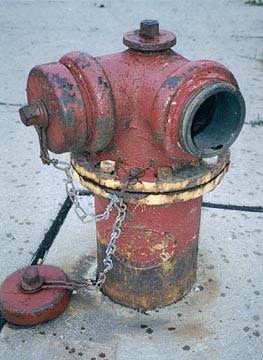
The “Chicago Standard” or “Chicago Twin” were phased in during the 1950s. It is a classic design with two 4½-inch ports on the barrel head a color designation on the top flange, indicates the size of the water main that is supplying water to the hydrant. Red identifies an 8-inch water main (the most common) while White is for water mains that are 6 inches in diameter or smaller. Yellow is for water mains from 12-16 inches in diameter. Blue is for water mains that are larger than 16 inches.The color coding immediately lets the Fire Department know which hydrant in the area can provide the greatest volume of water.
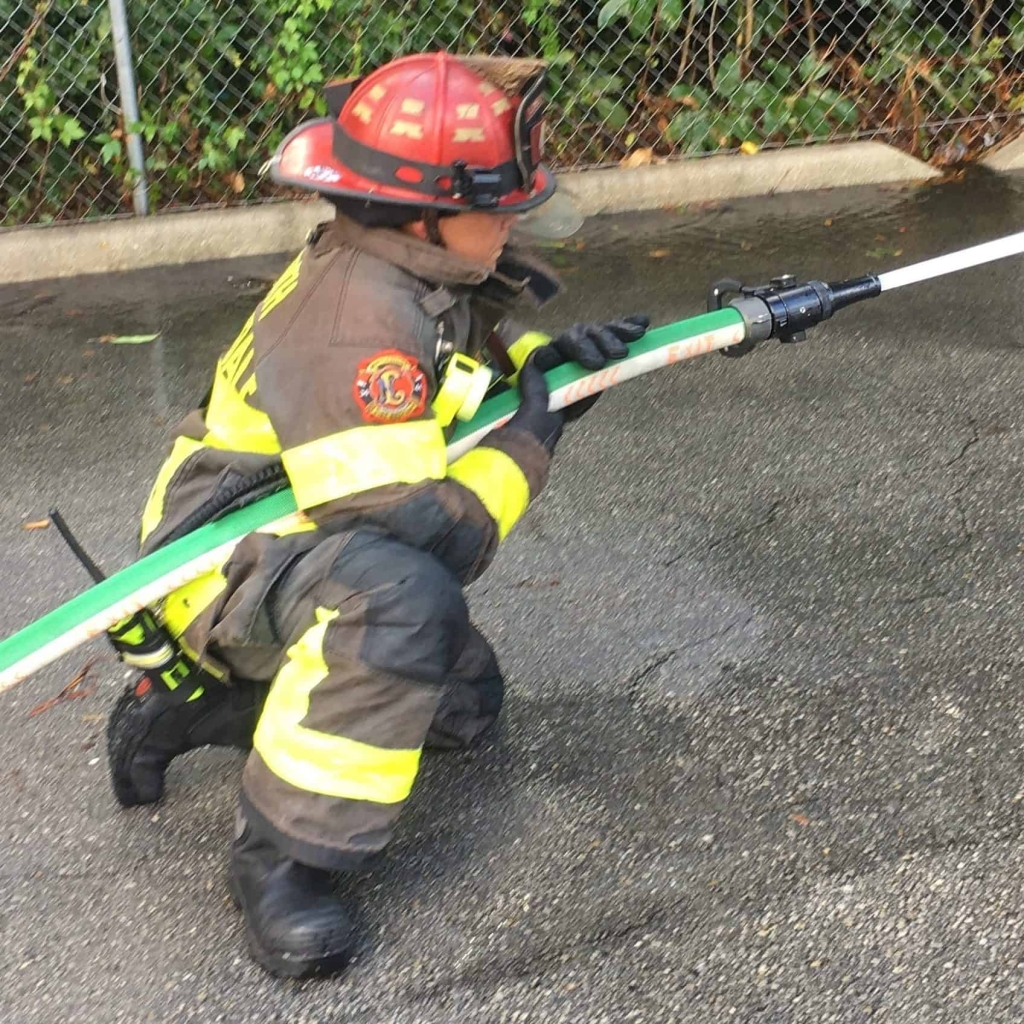
So why did I name this blog “Send the water”? When a firefighter on the nozzle is ready, he calls out to the engineer “send the water!”
fireplugs/hydrants are not much to look at, but just be glad they are there when you need them. And oh yes, don’t park next to one!
For a few other related stories, please enjoy
 Chicago and Cook County Cemeteries